My Projects
Single Platform for Retailers and Buyers
A 2023 concept for an AI-powered marketplace that put retailers and shoppers on one platform: fit matching from a body scan, a natural-language shopping assistant, and a virtual try-on, aimed squarely at the return rates that make fashion e-commerce expensive. Worked out end to end — product, economics, market entry — and pitched.
Details & related links
Overview
In 2023 I worked out a complete AI-powered marketplace on paper — the product, the technology, the unit economics, and the route to market — and took it to an investor. It did not raise, and the work stopped there. What follows is the concept as it stood.
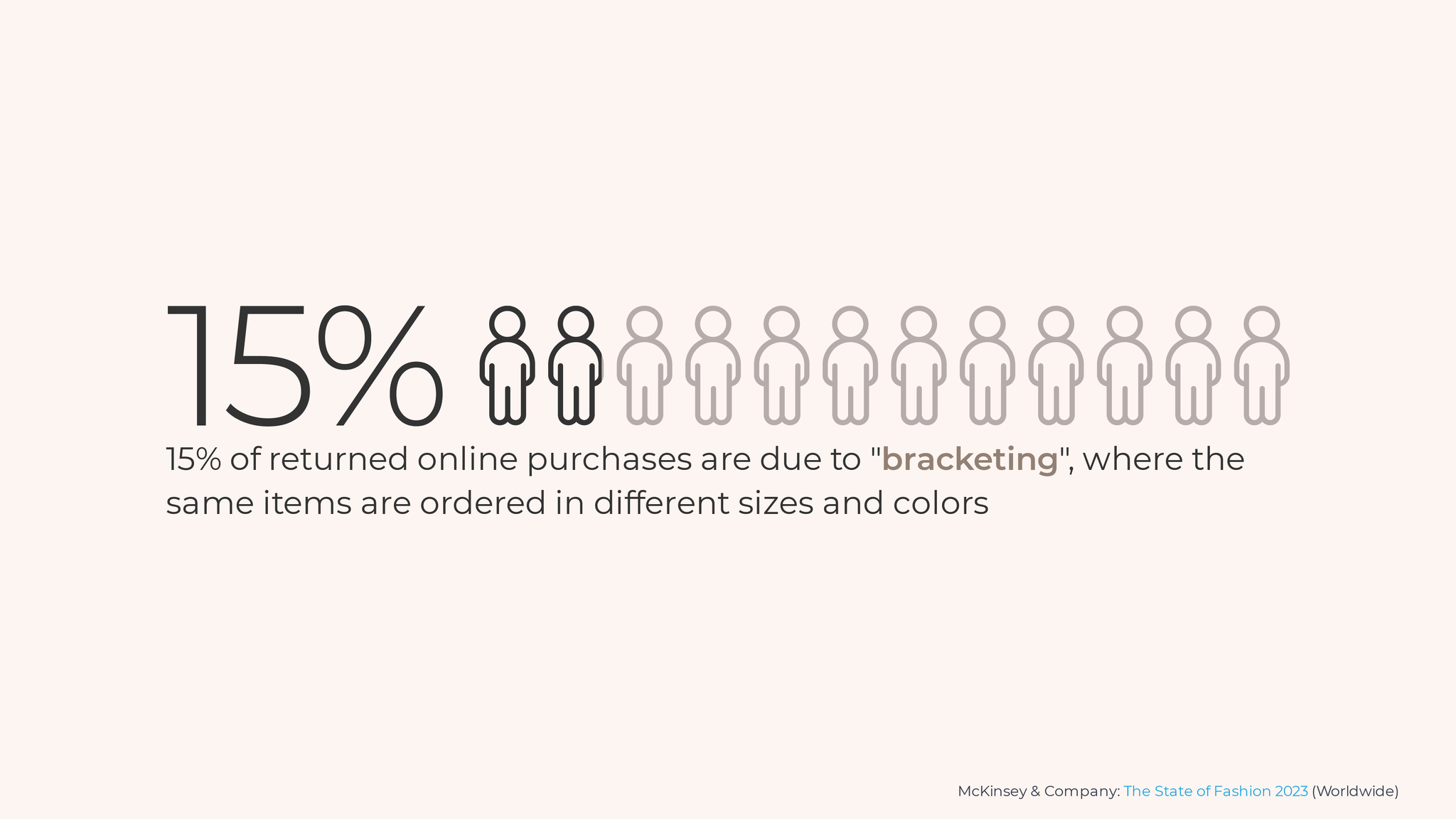
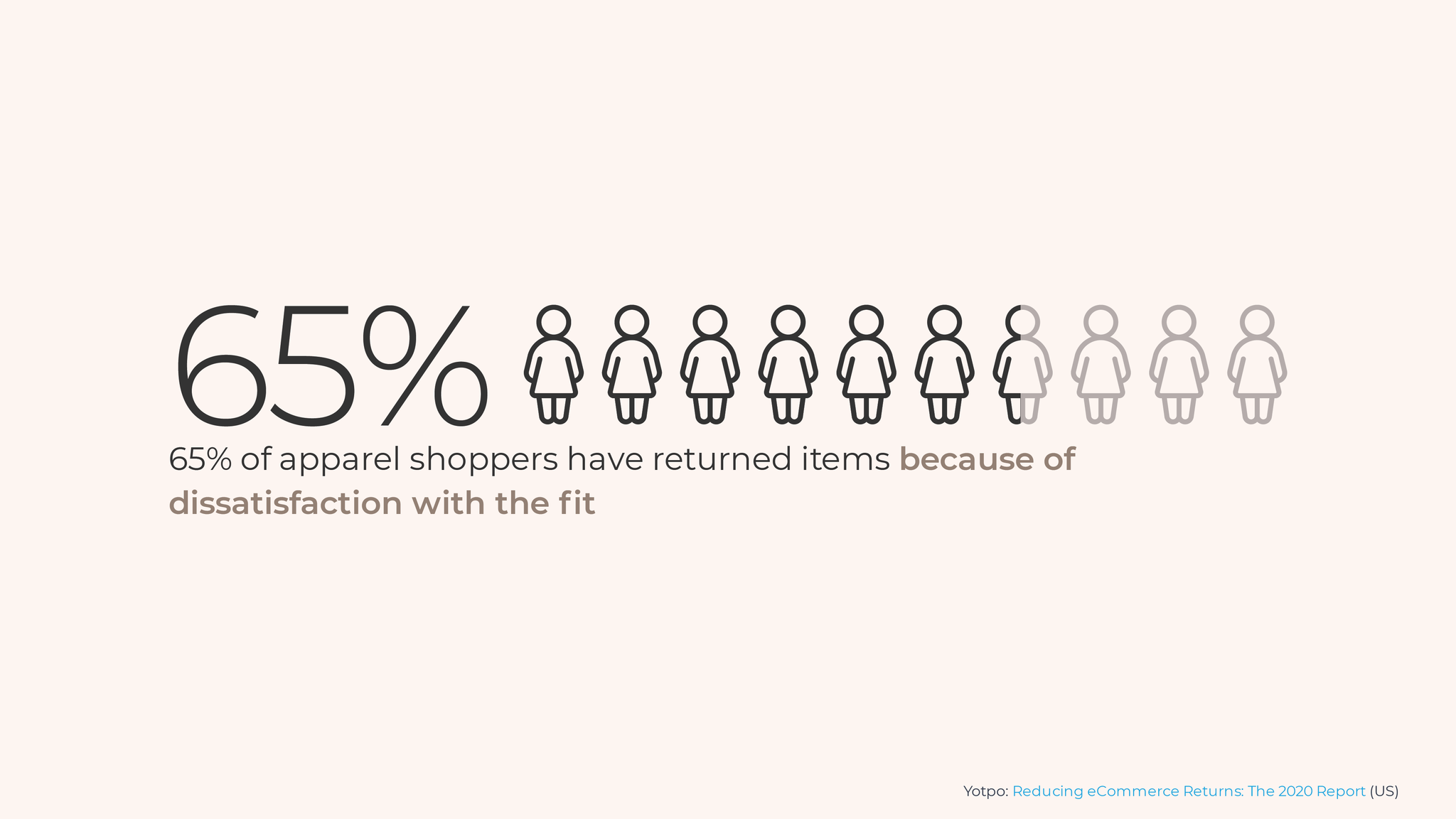
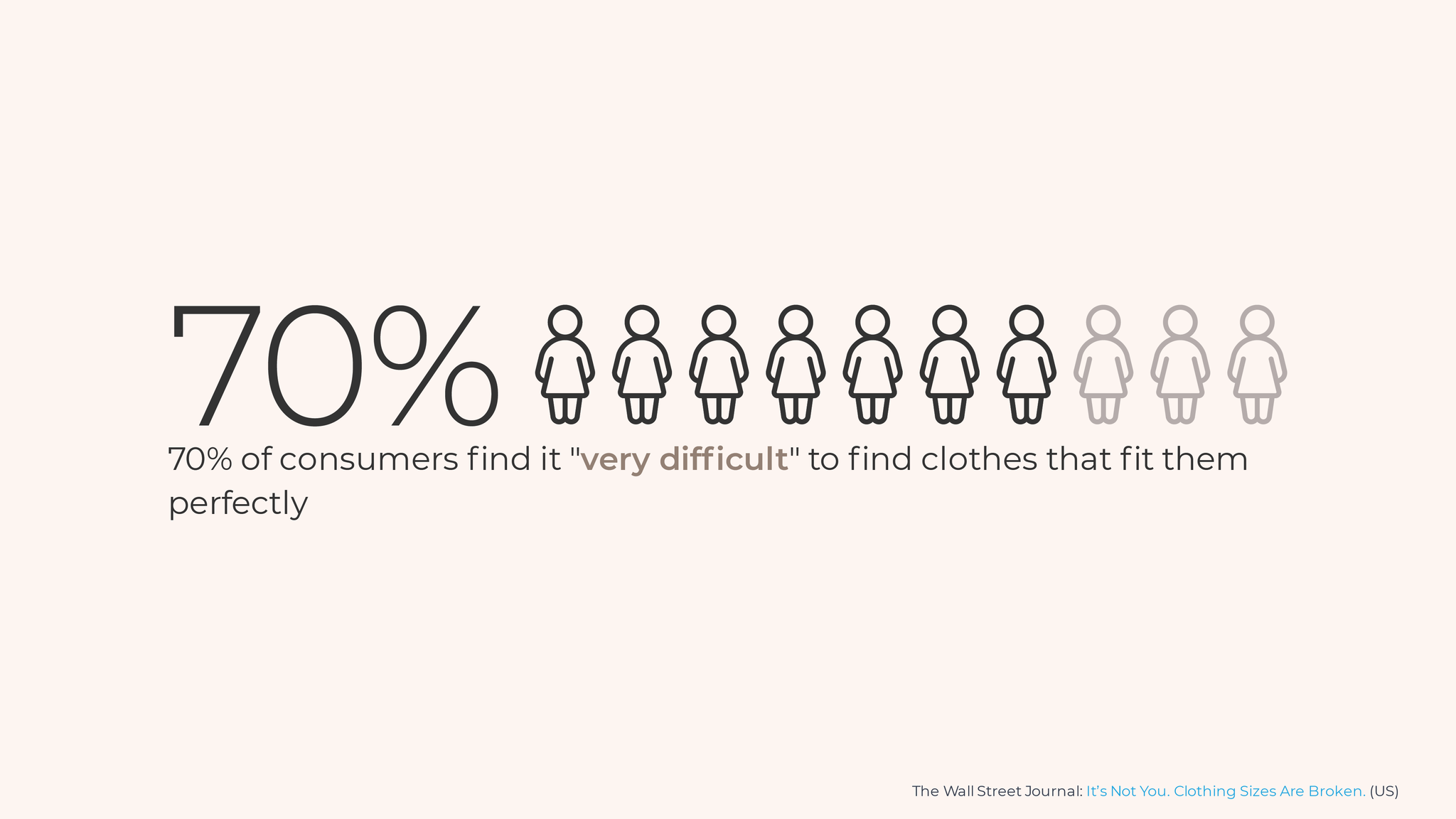
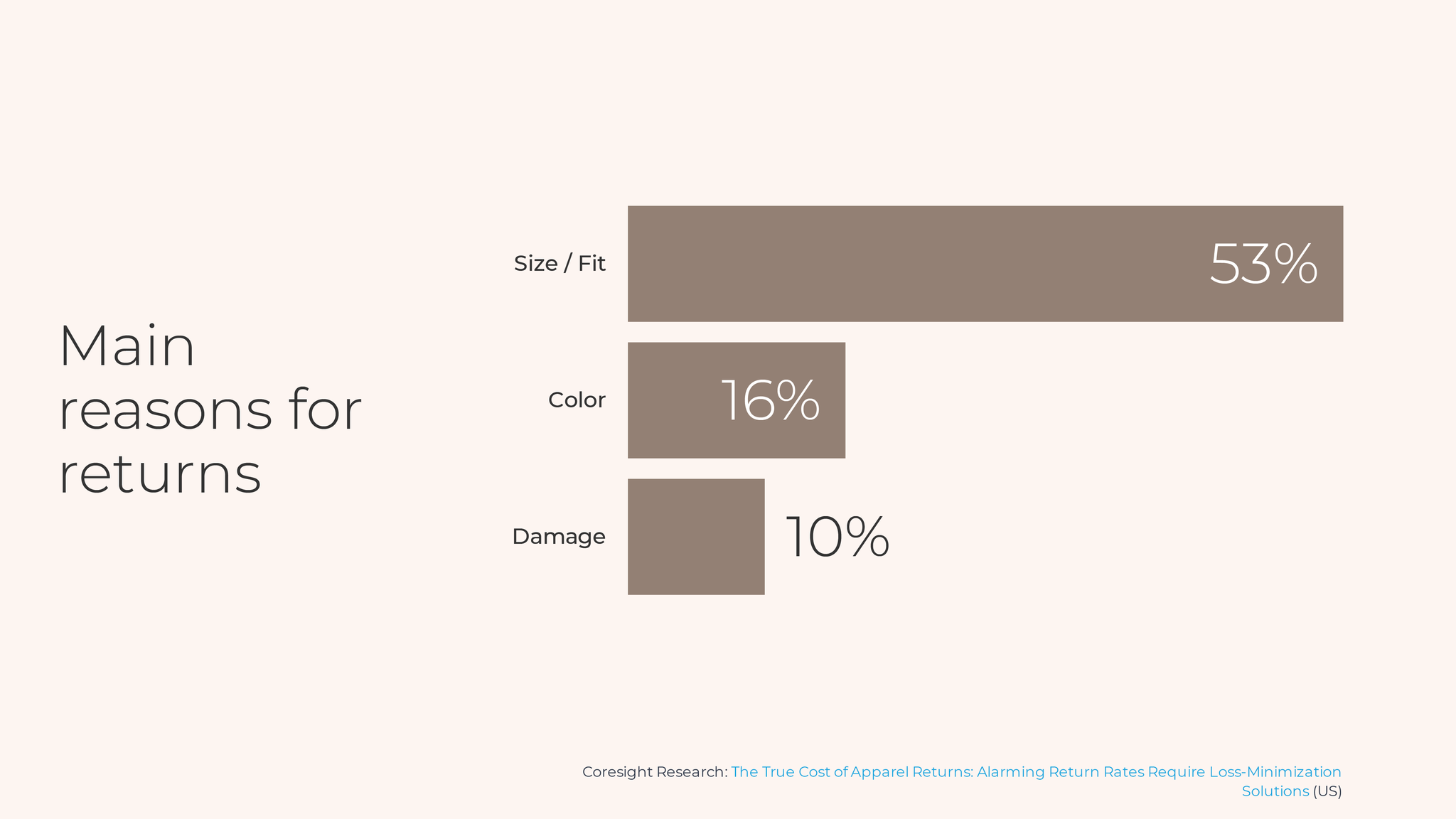
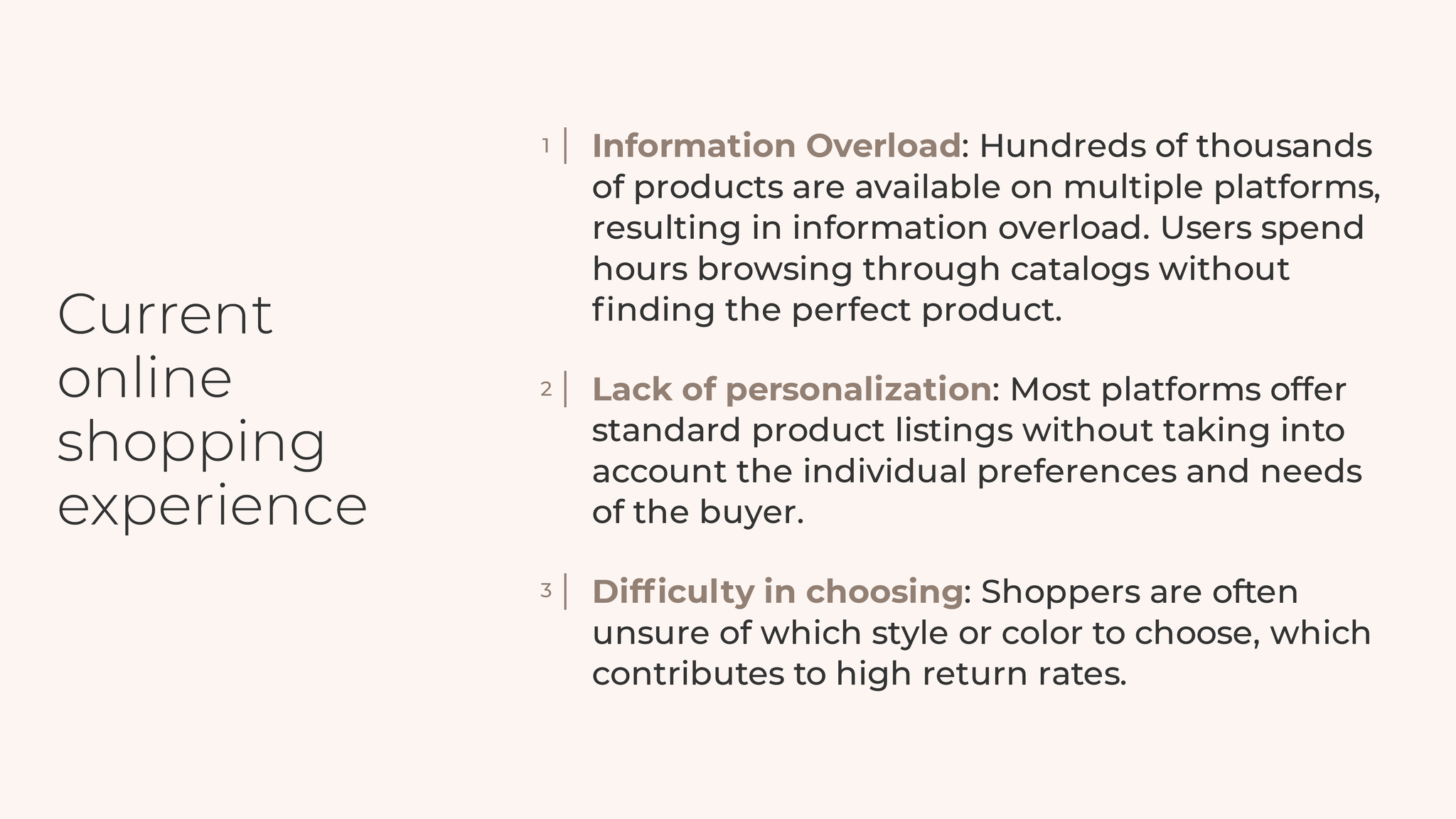
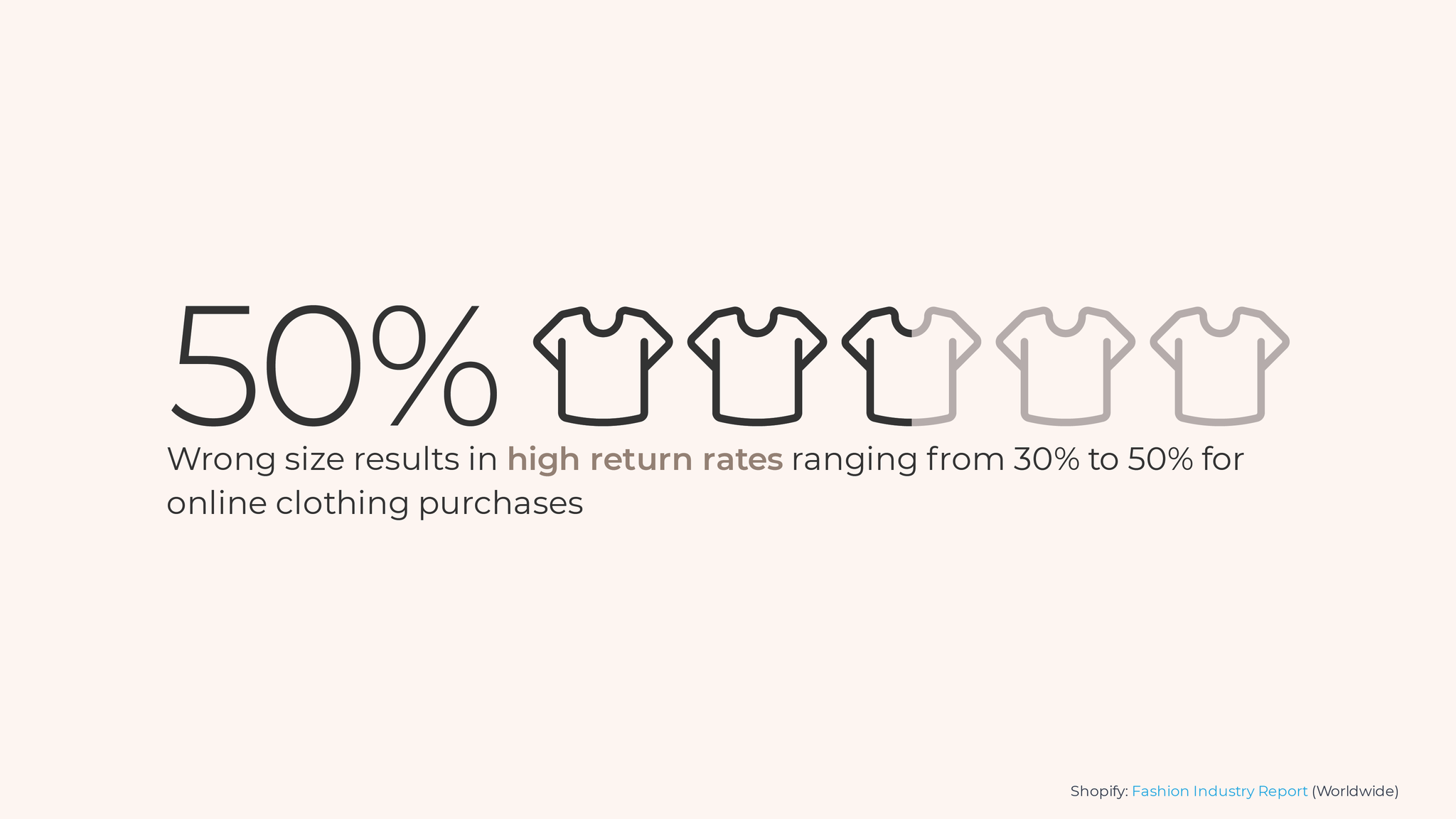
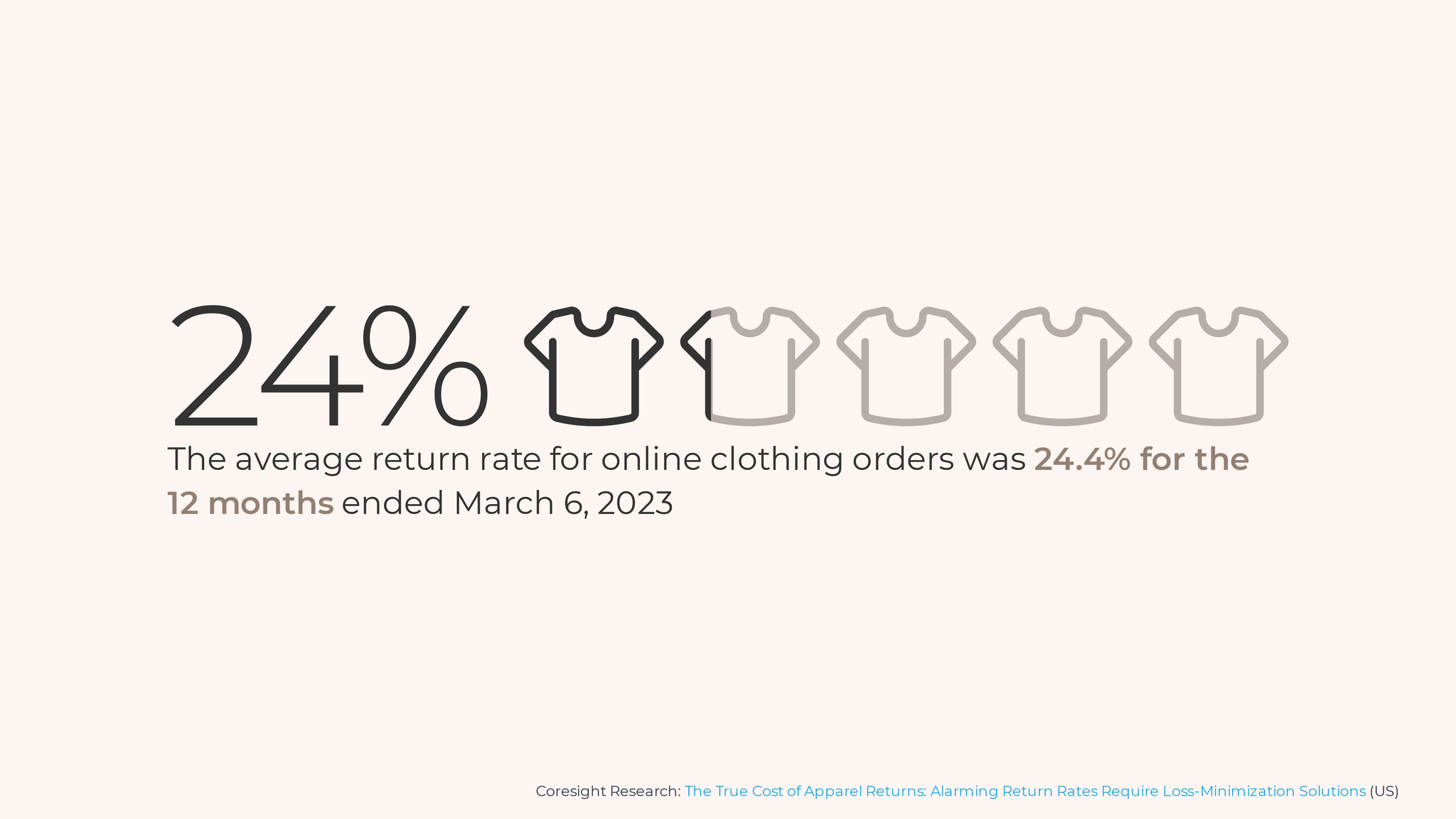
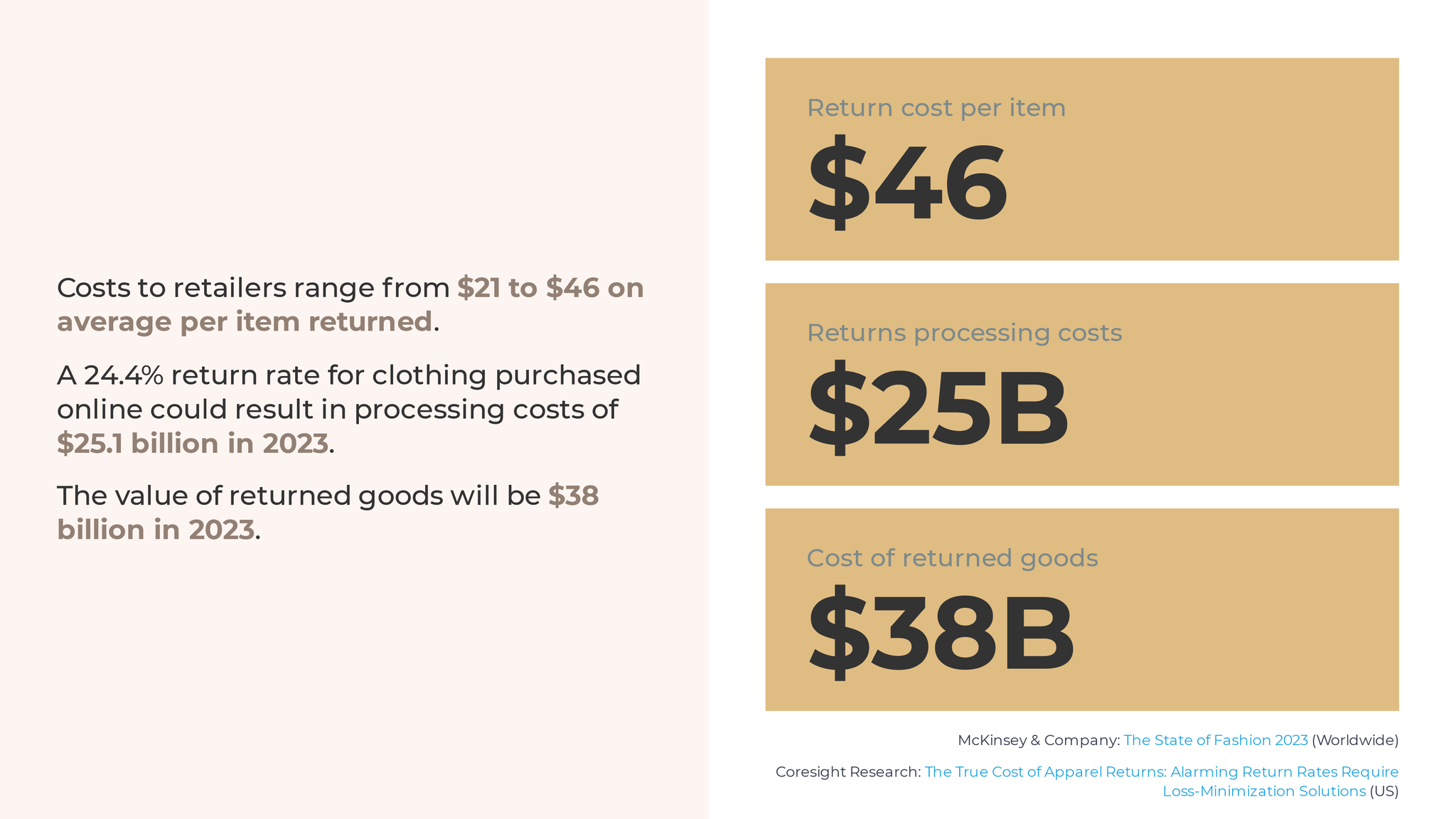
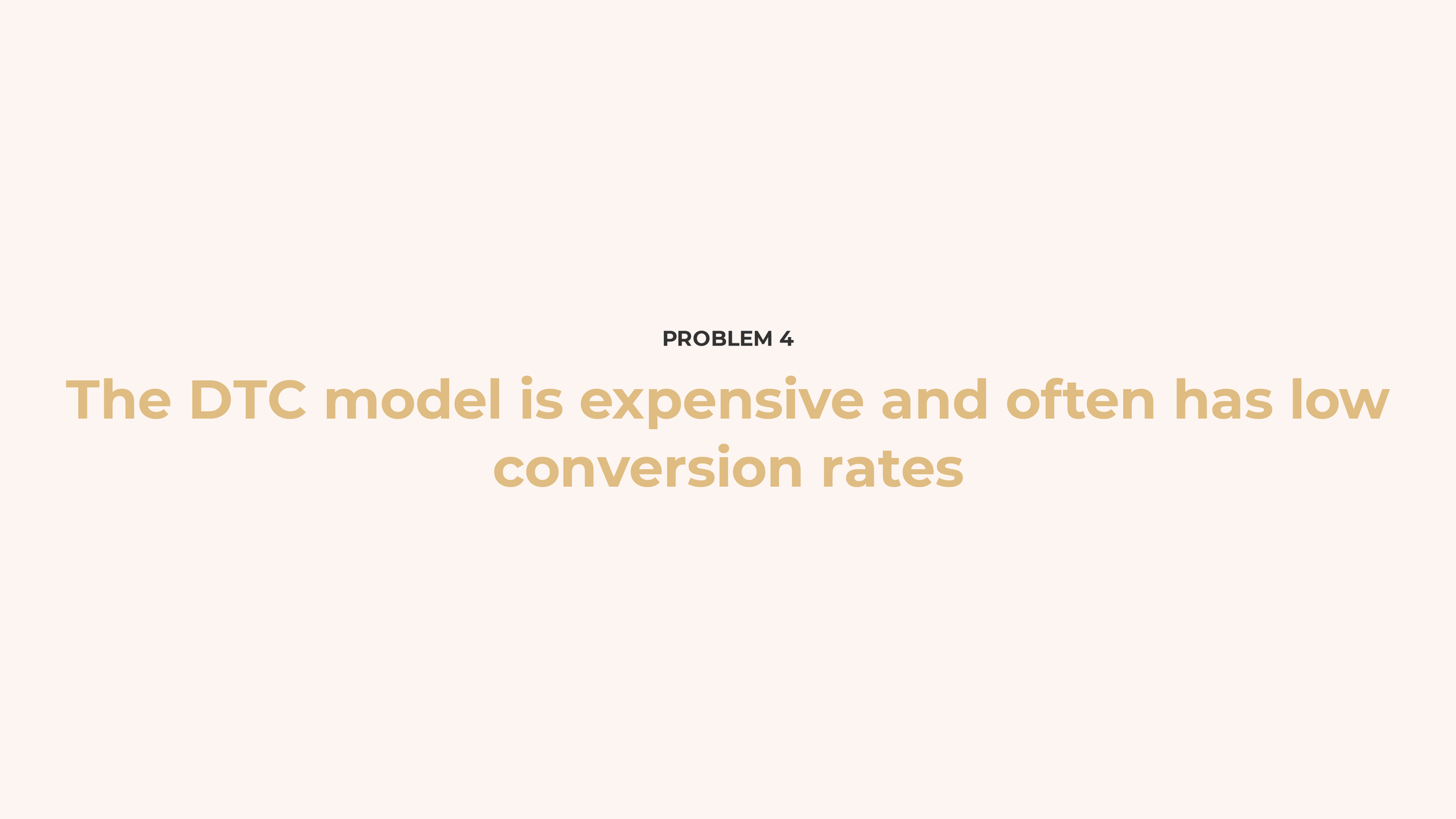
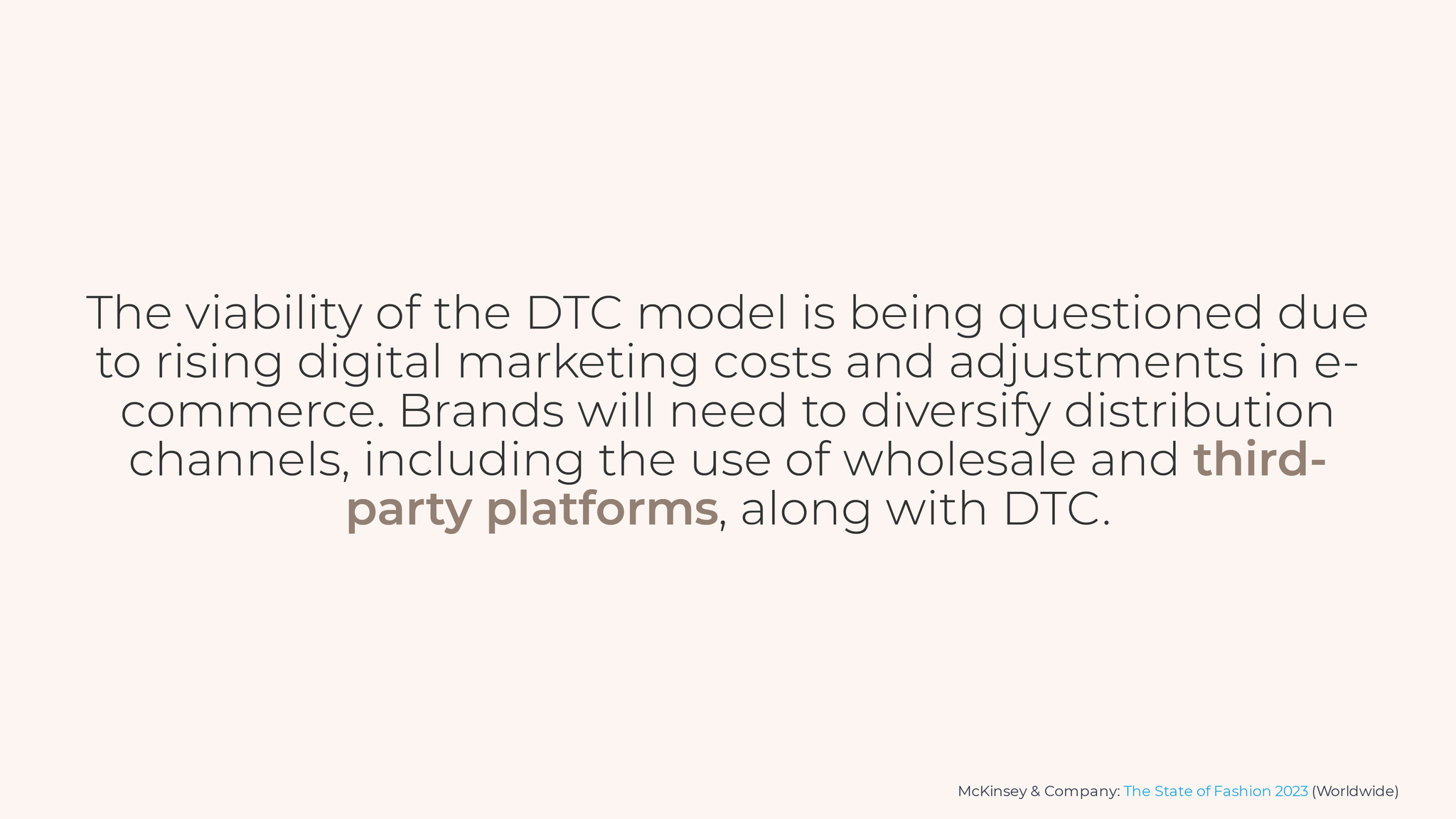
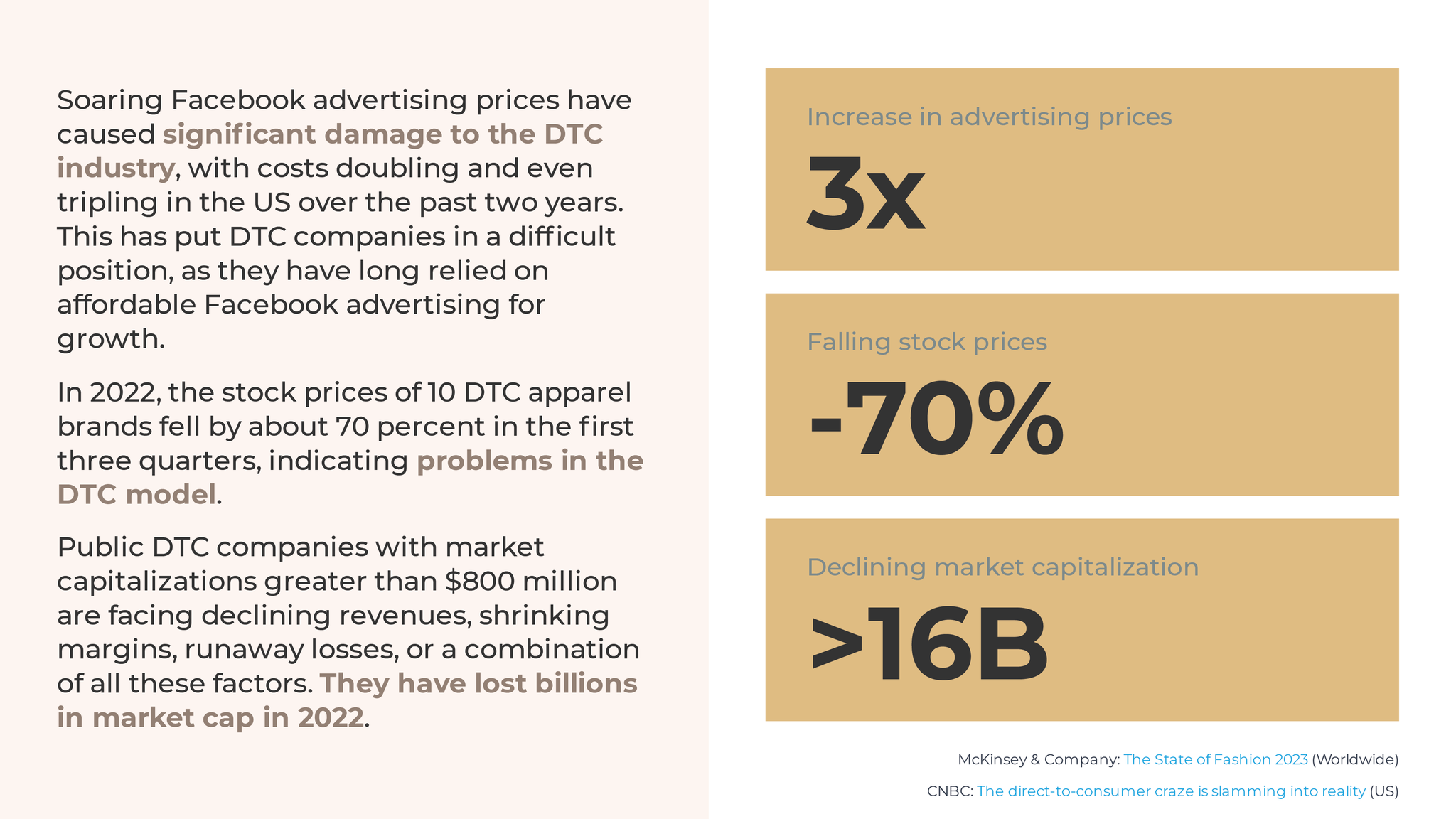
The premise was that online fashion has two expensive problems that are really one problem. Shoppers cannot tell whether something will fit, so they order three sizes and send two back. Retailers pay for those returns twice — in logistics and in a direct-to-consumer channel that converts poorly enough to make customer acquisition the largest line on the sheet. Solve the fit question and both sides of that trade get cheaper at once.
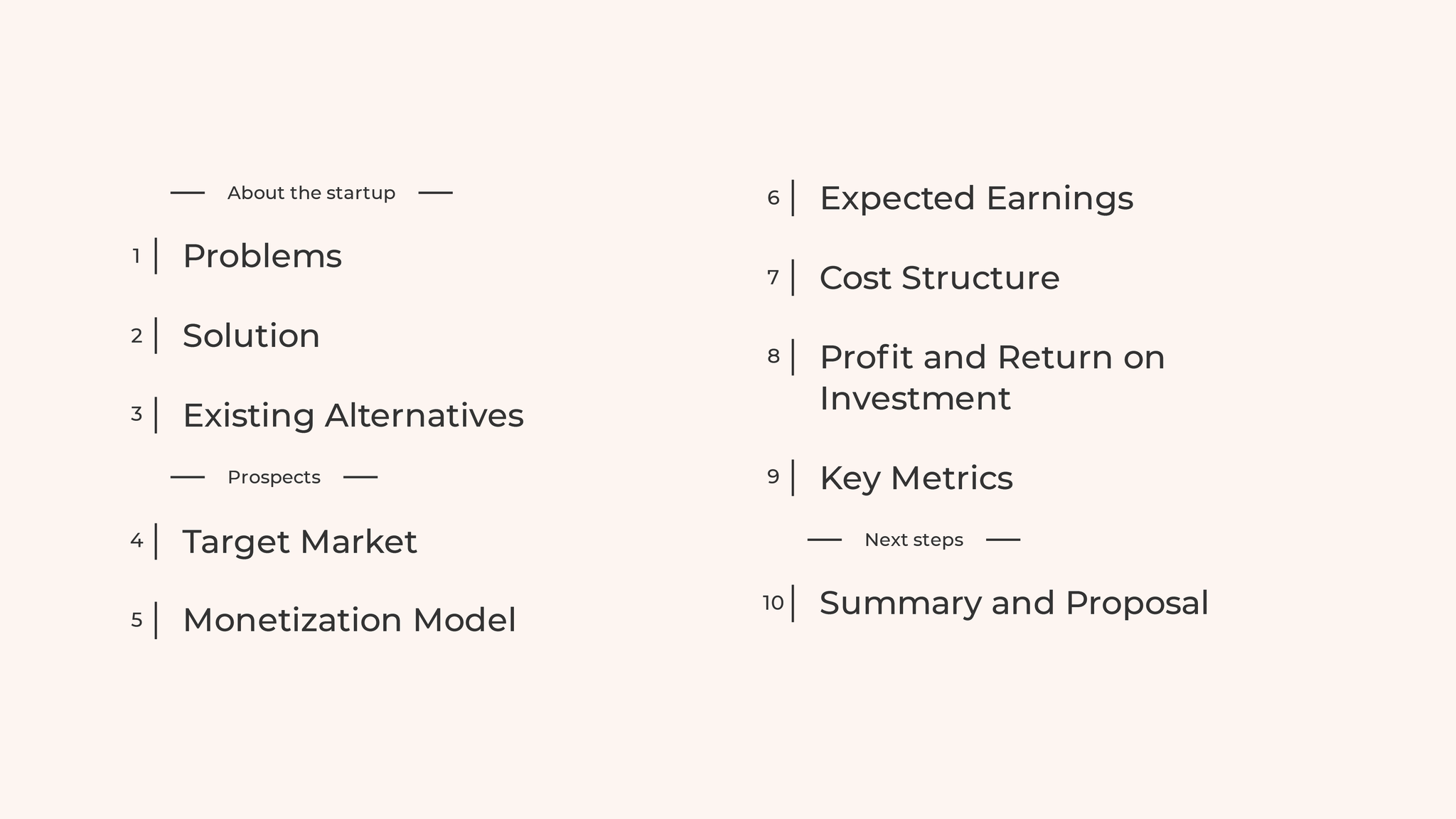
The Problem
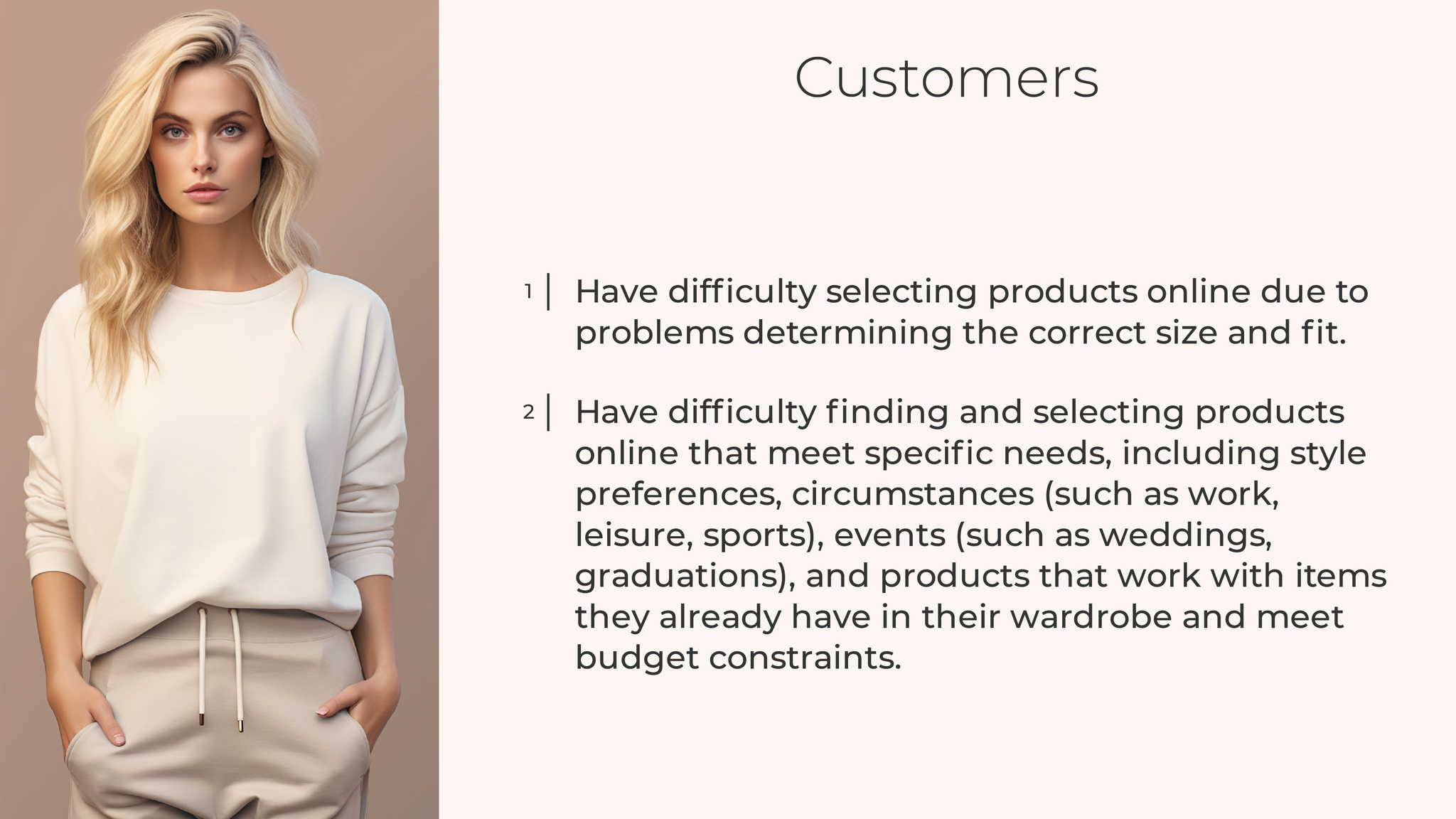
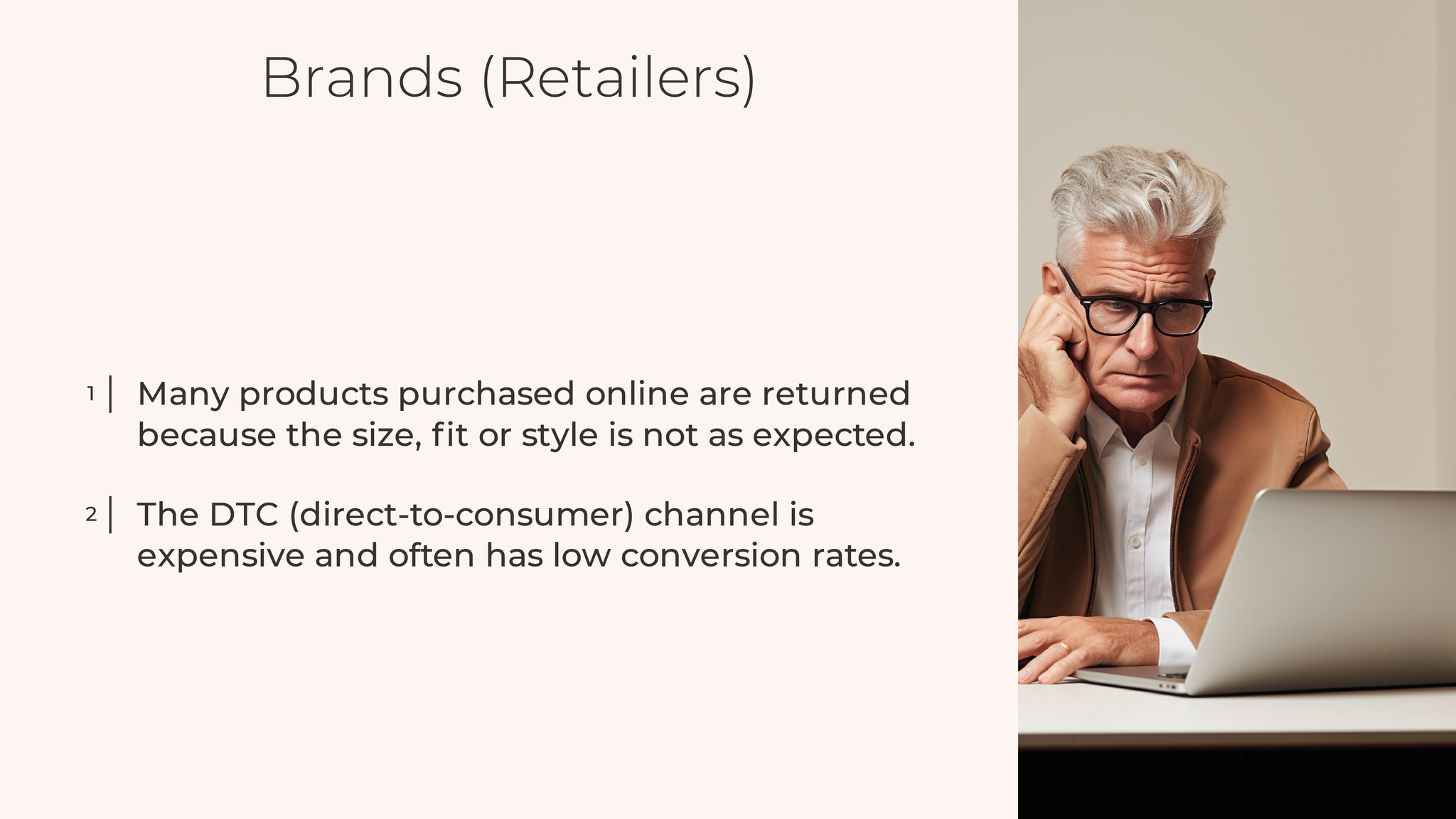
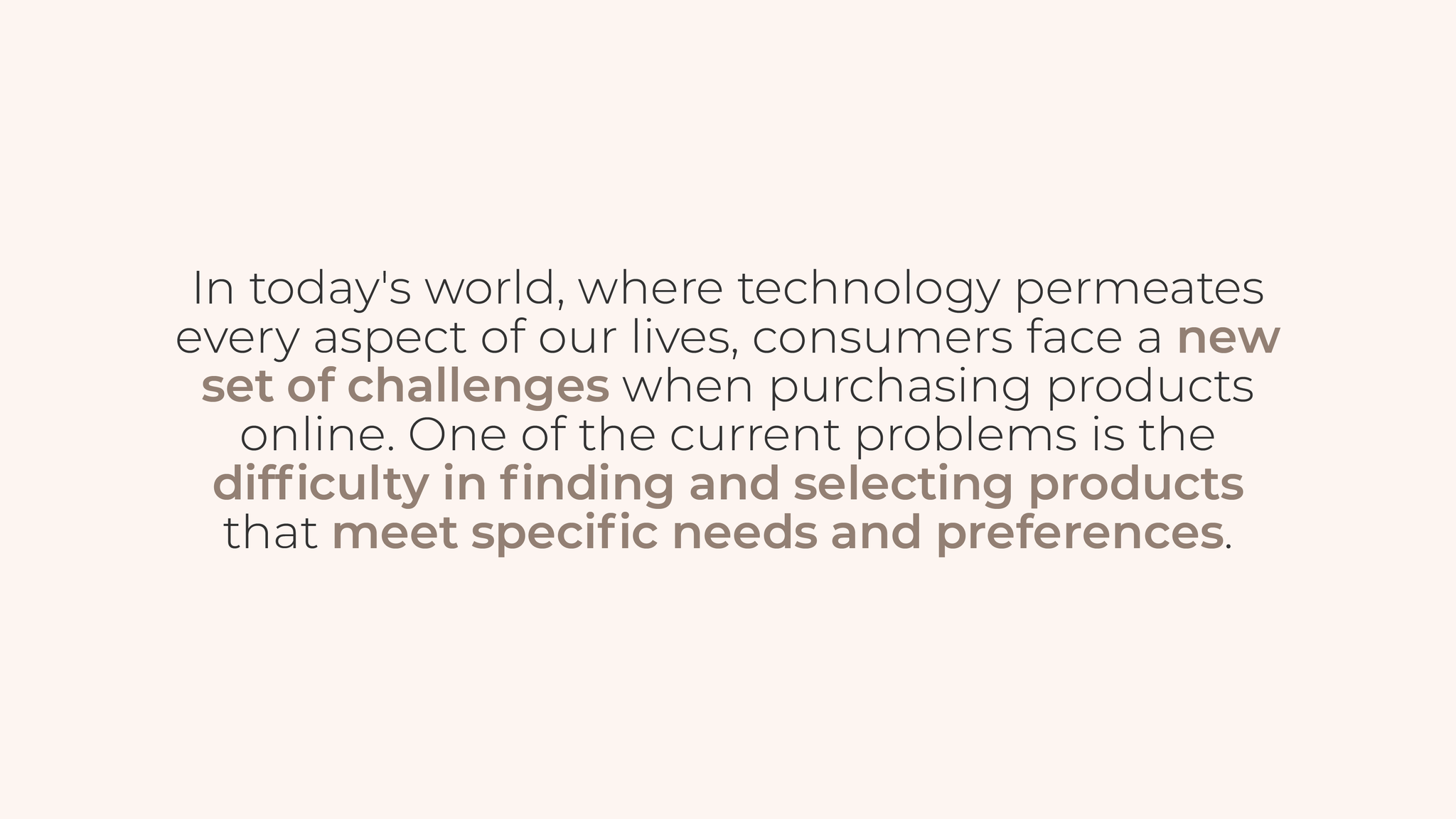
Online shopping, despite its convenience, comes with drawbacks. Customers face real difficulty selecting the size, fit, and style that suit their body, their taste, and their budget. Retailers bear the cost of the resulting returns, alongside an expensive DTC model with low conversion rates.
The Conceptual Solution
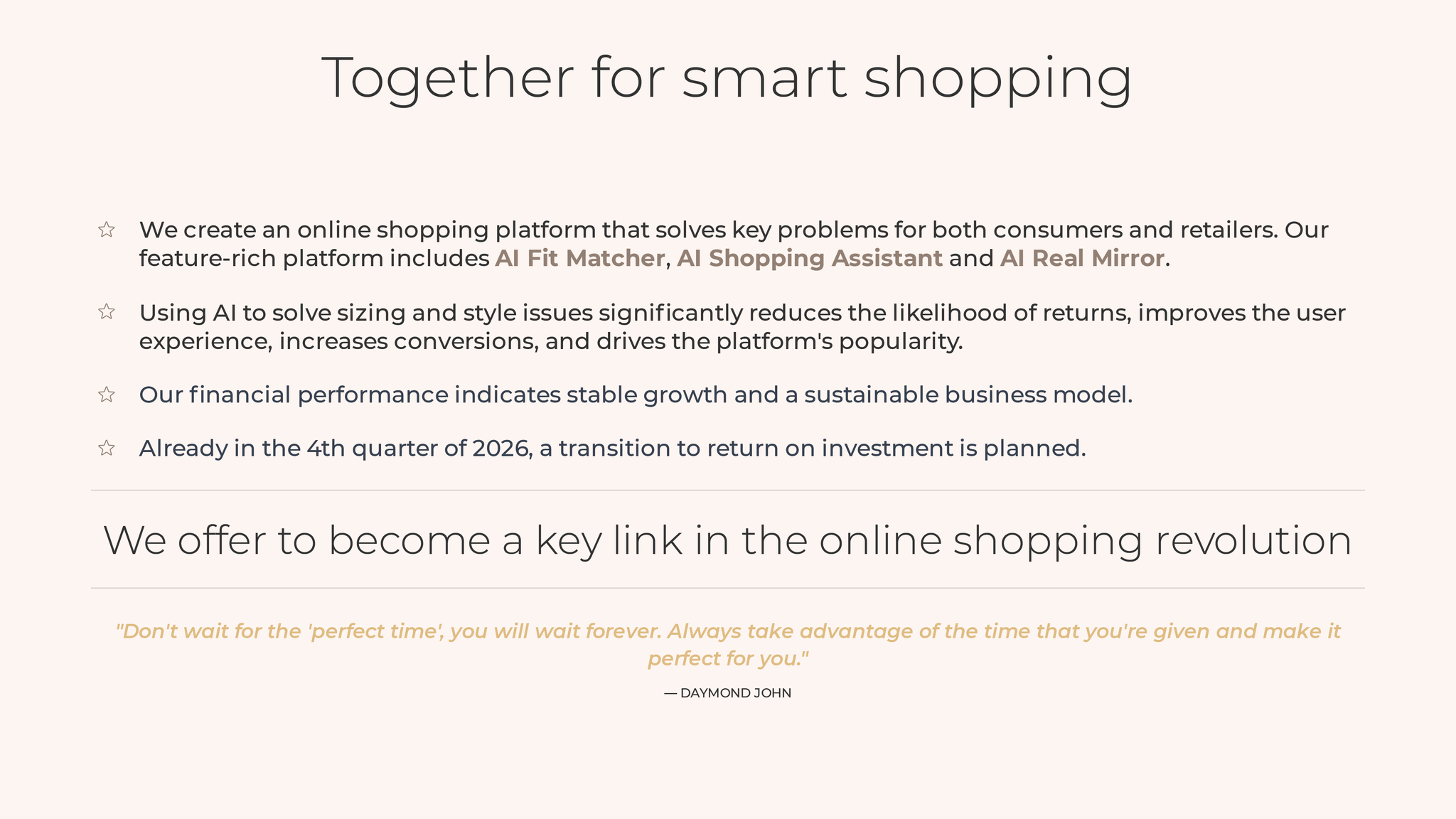
The platform was designed around four AI-powered pieces:
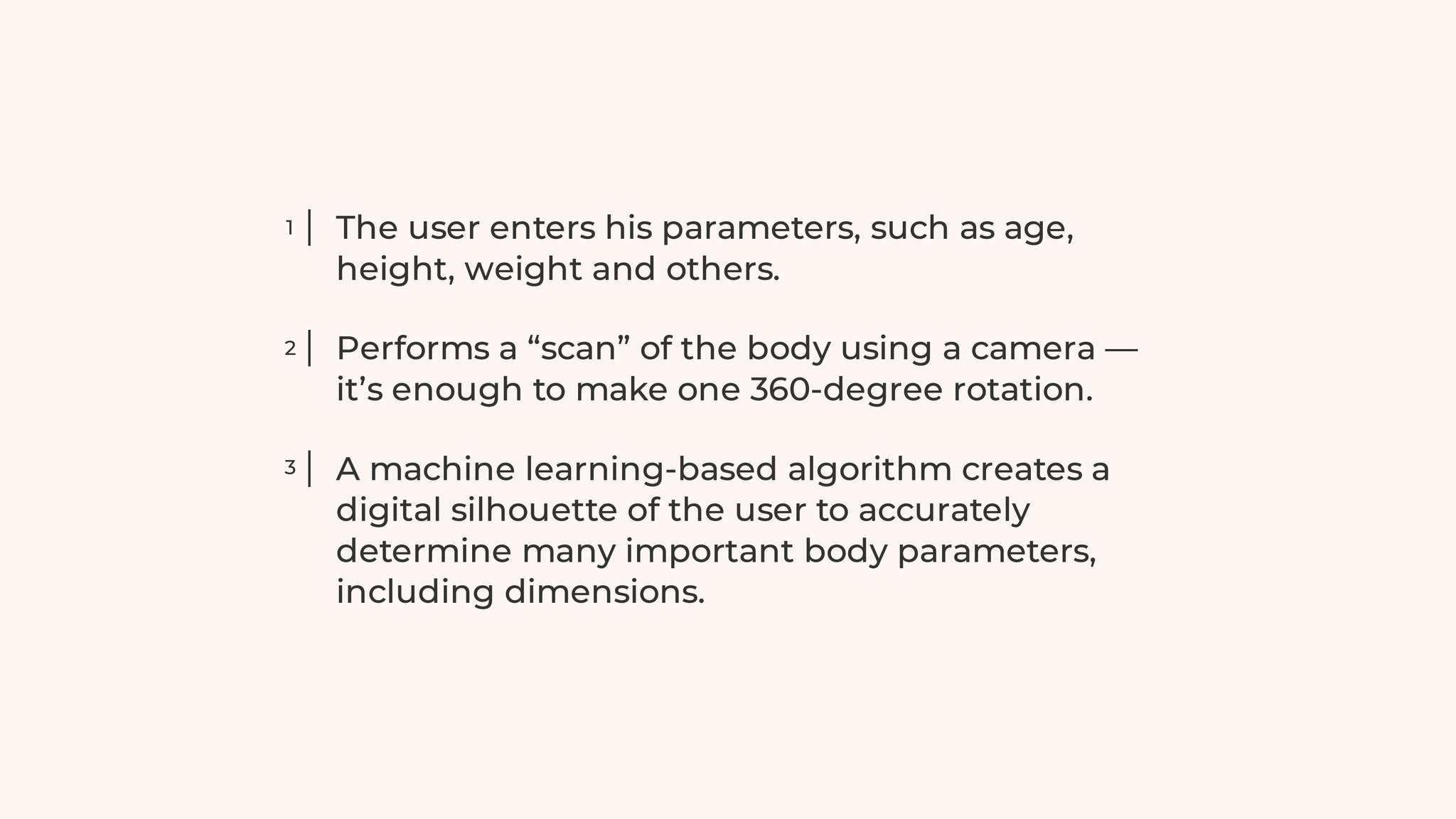
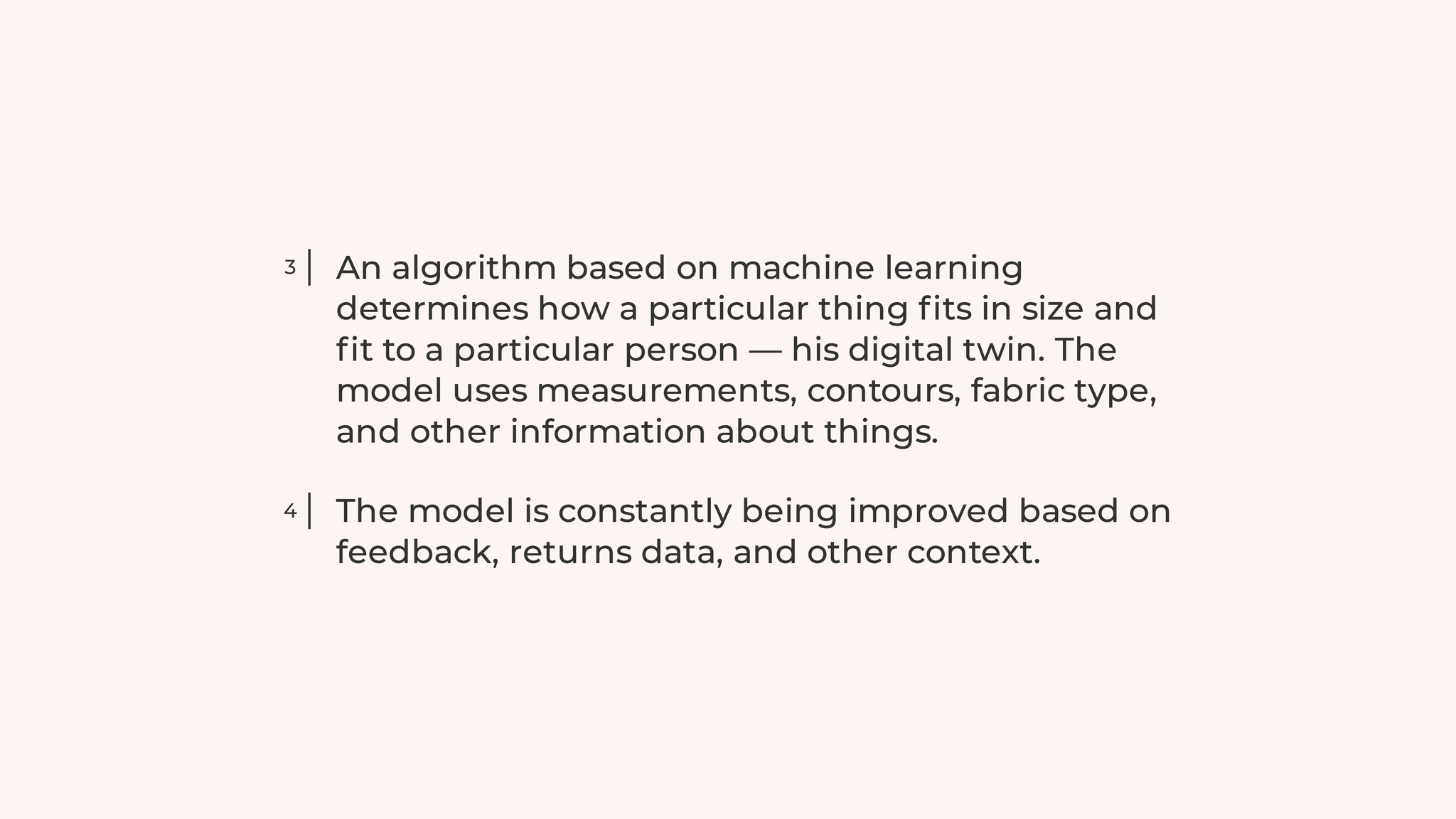
- AI Fit Matcher: body scanning and machine learning building a digital silhouette, so size matching stops being a guess.
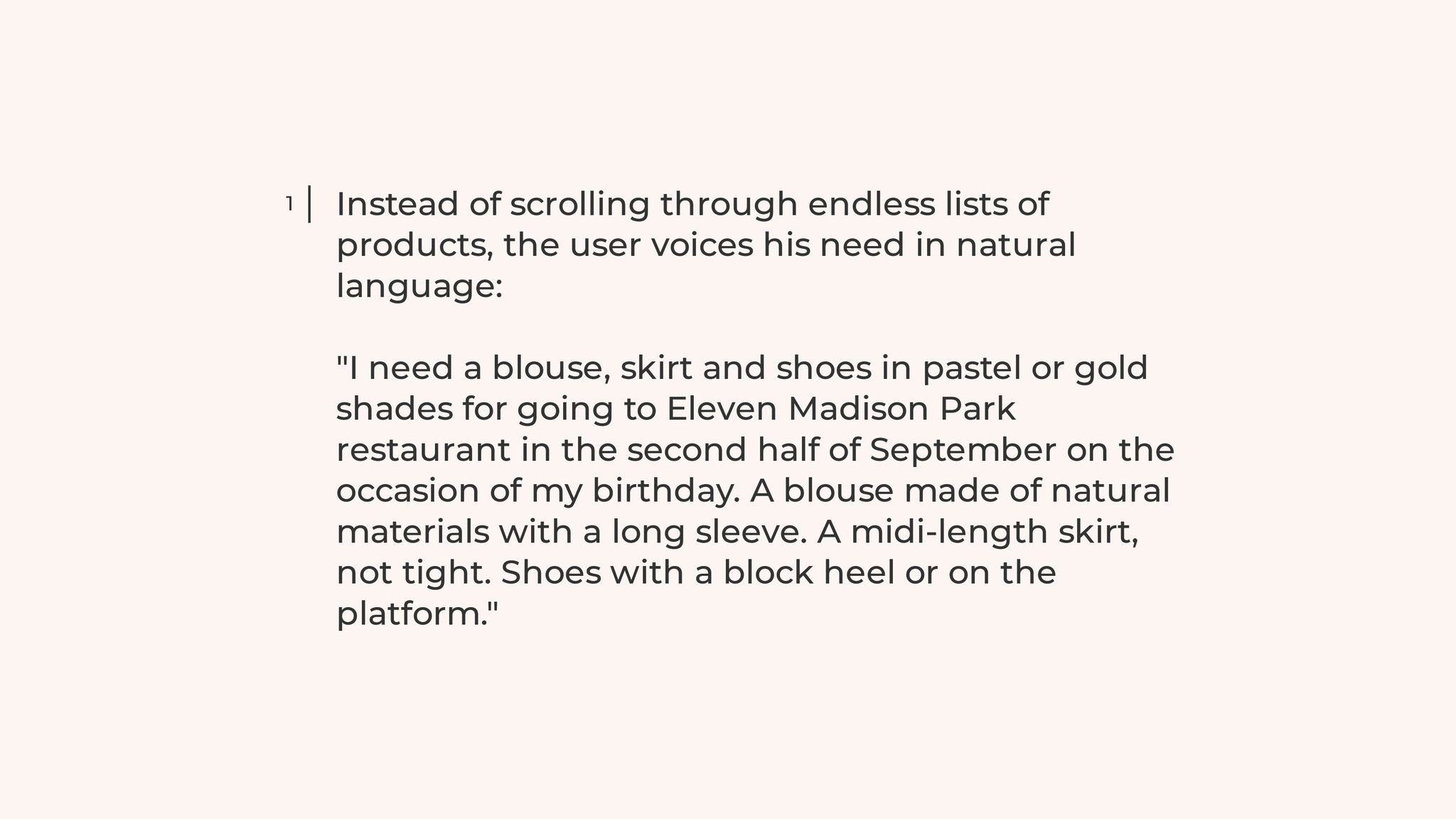
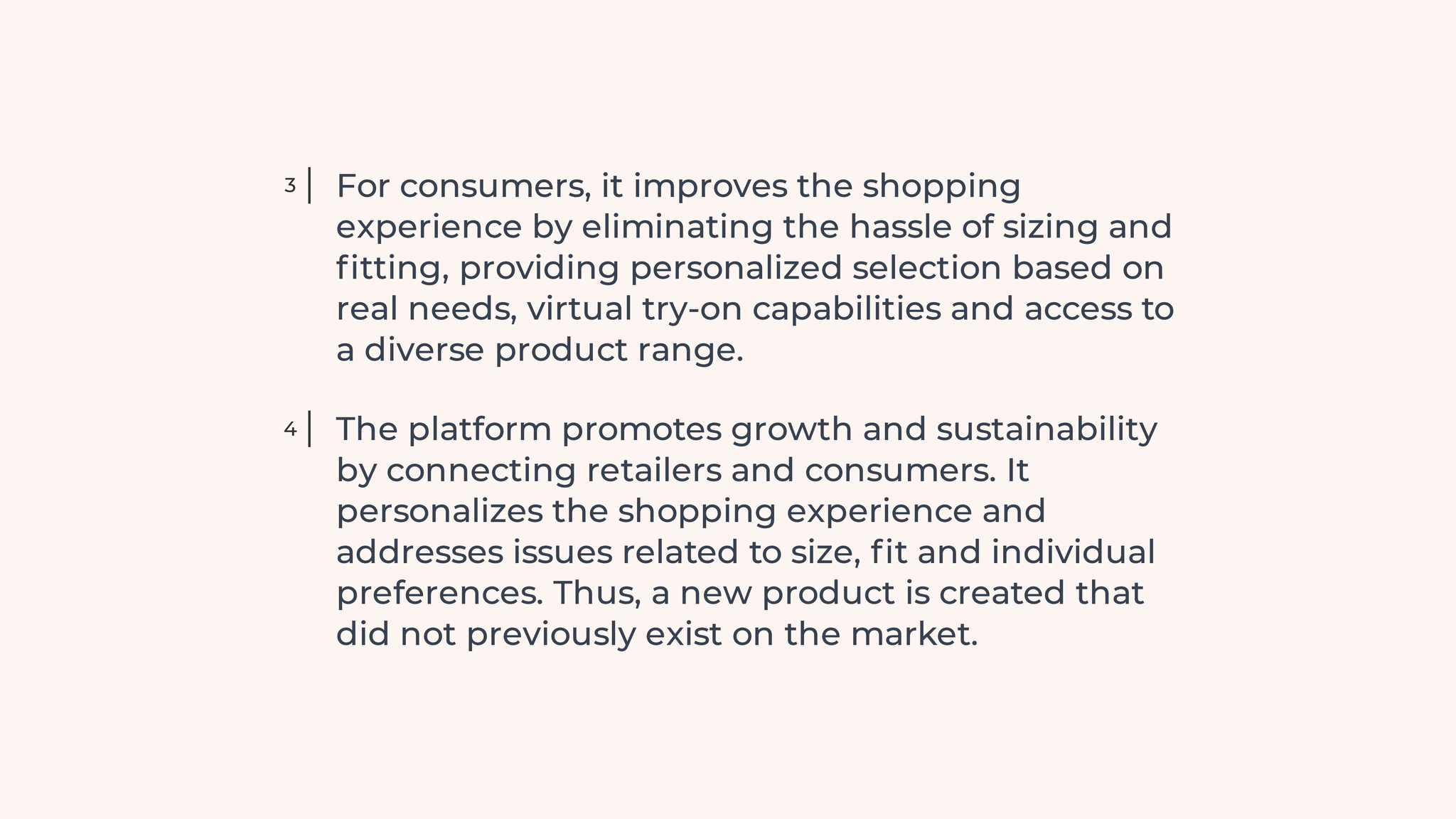
- AI Shopping Assistant: a digital stylist that takes a request in plain language and curates a selection against it.
- AI Real Mirror: virtual try-on over a 3D model, bringing the dressing room to the part of the journey where the decision is actually made.
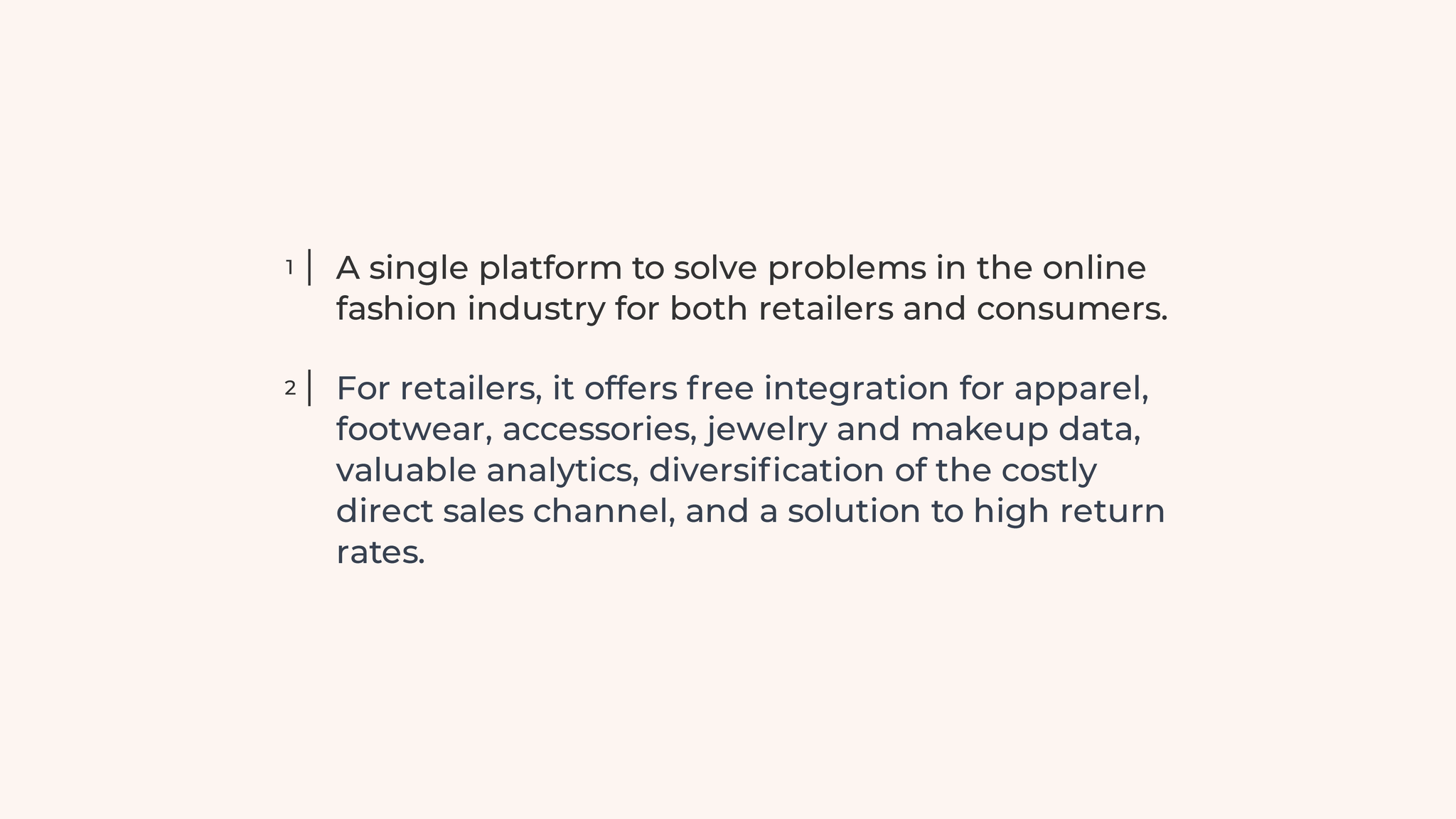
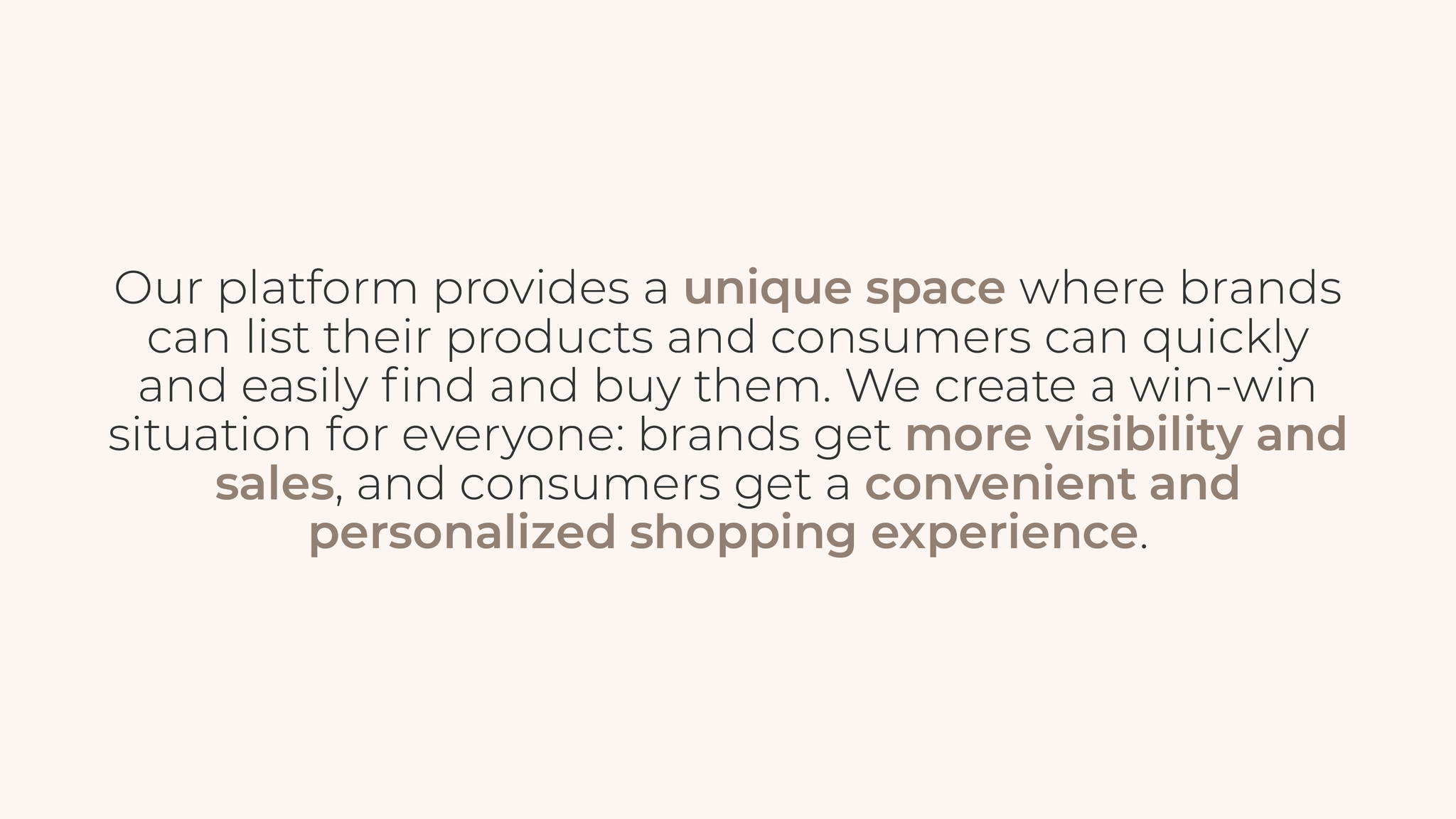
- Unified Shopping Platform: one marketplace for both sides, where retailers integrate products and data once and get the analytics back.
The Numbers Behind It
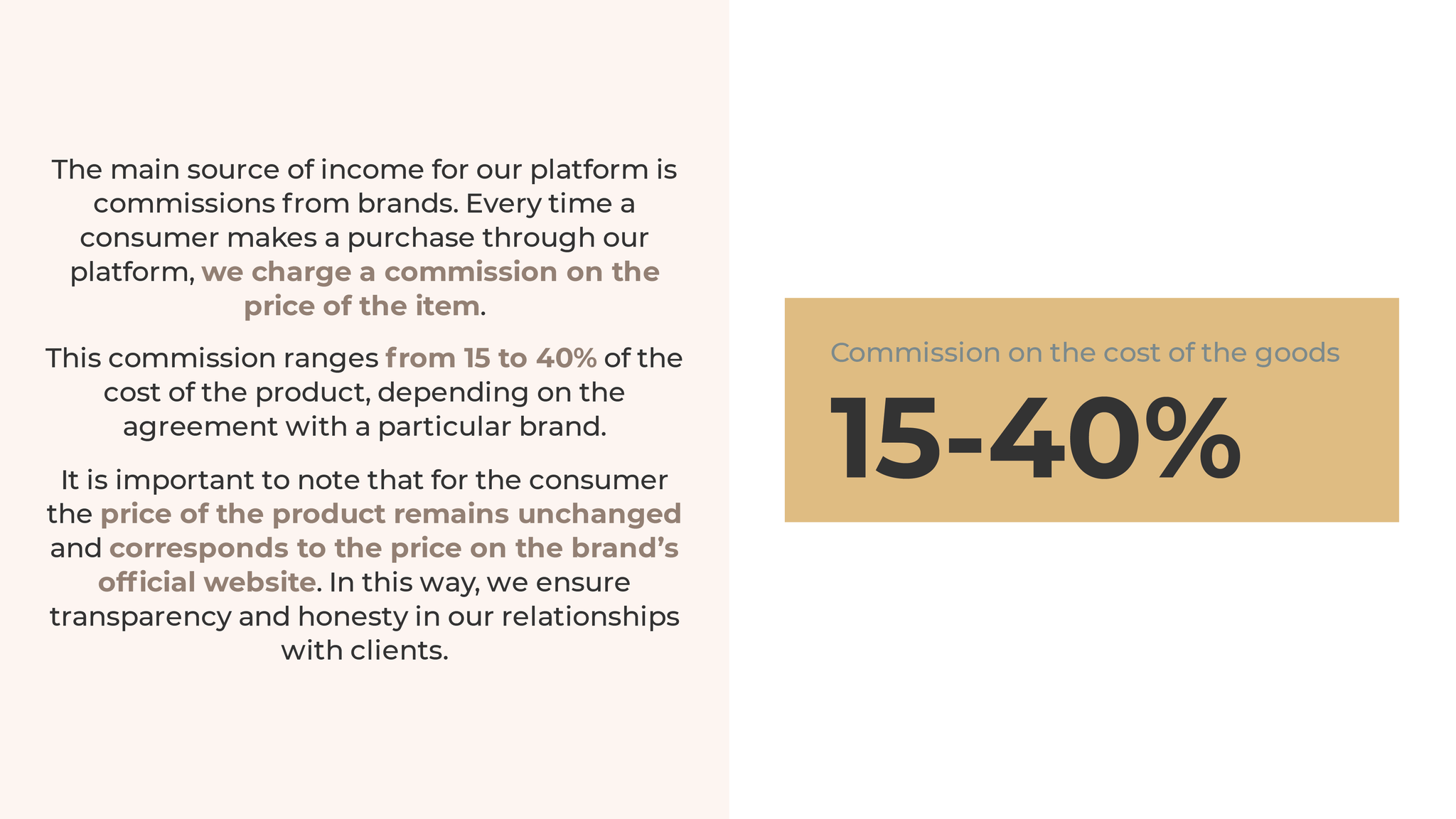
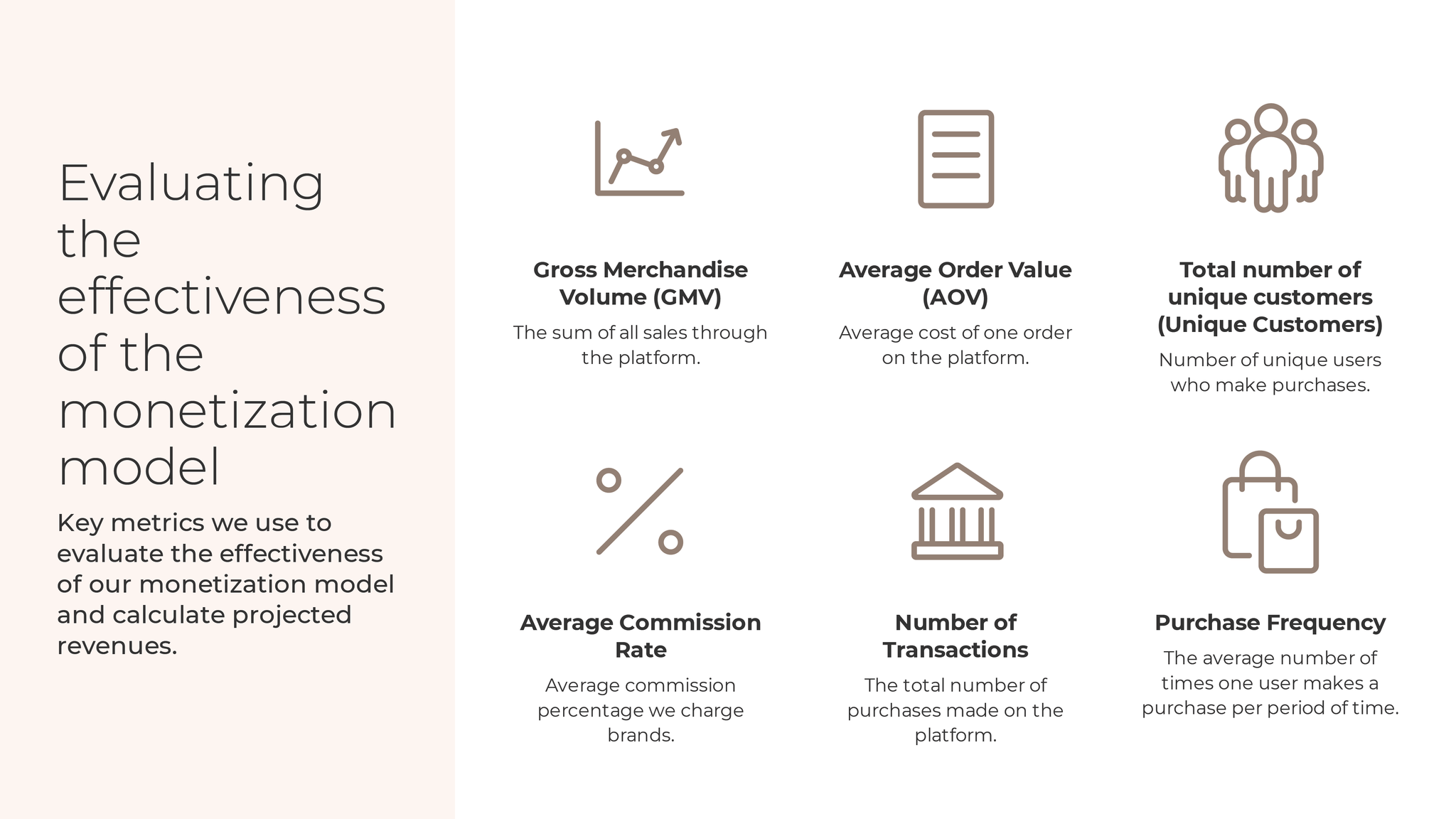
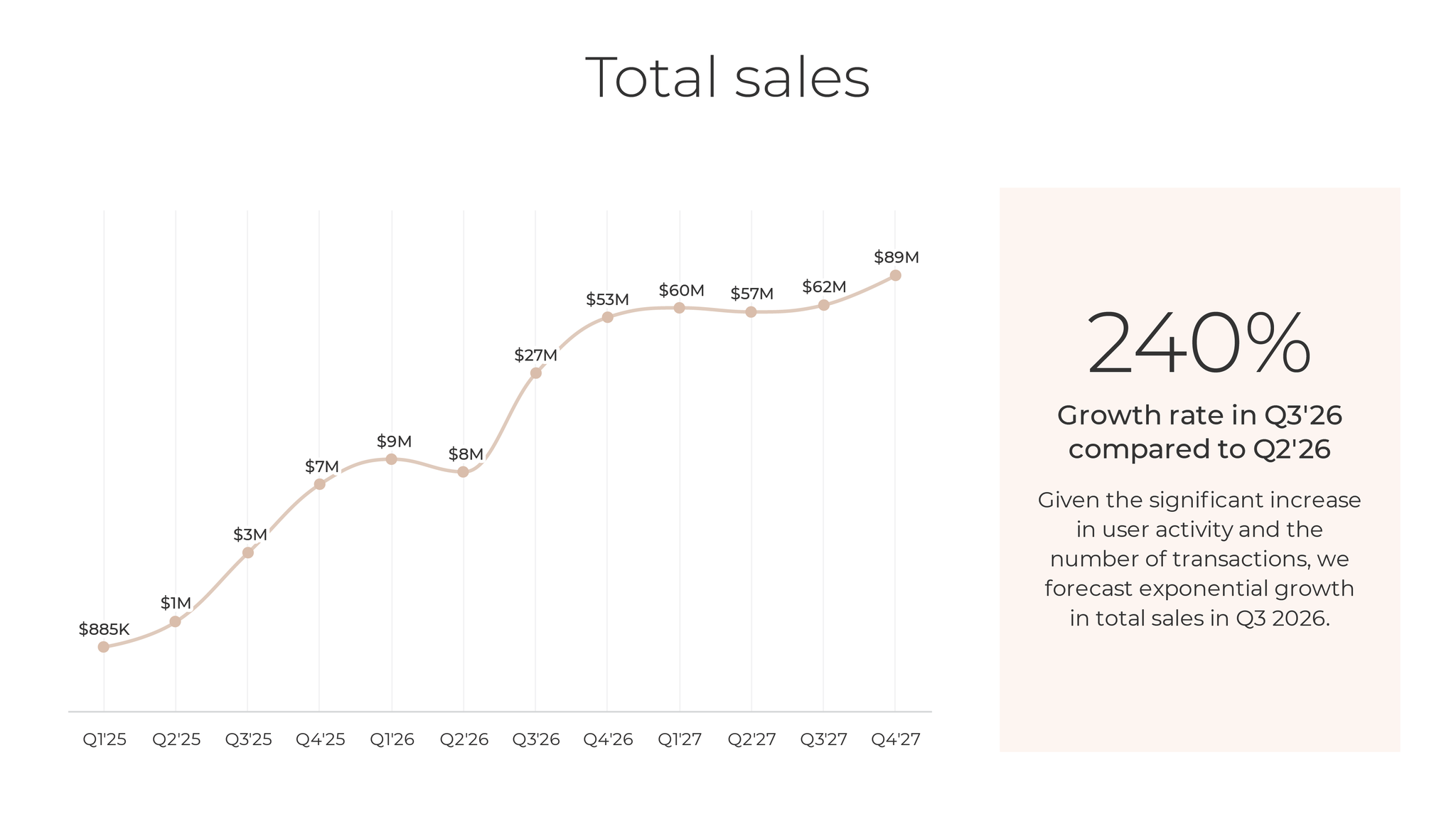
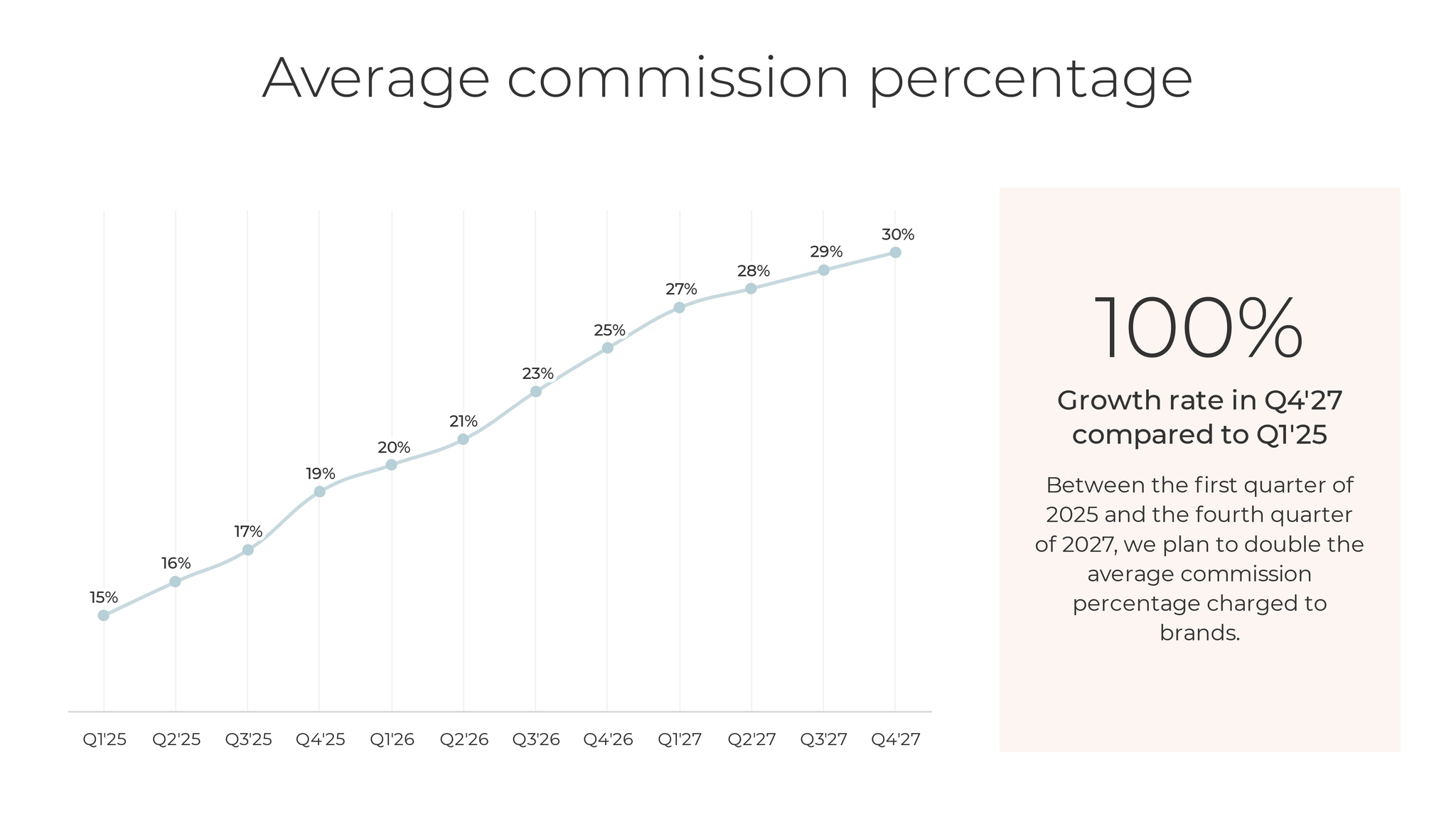
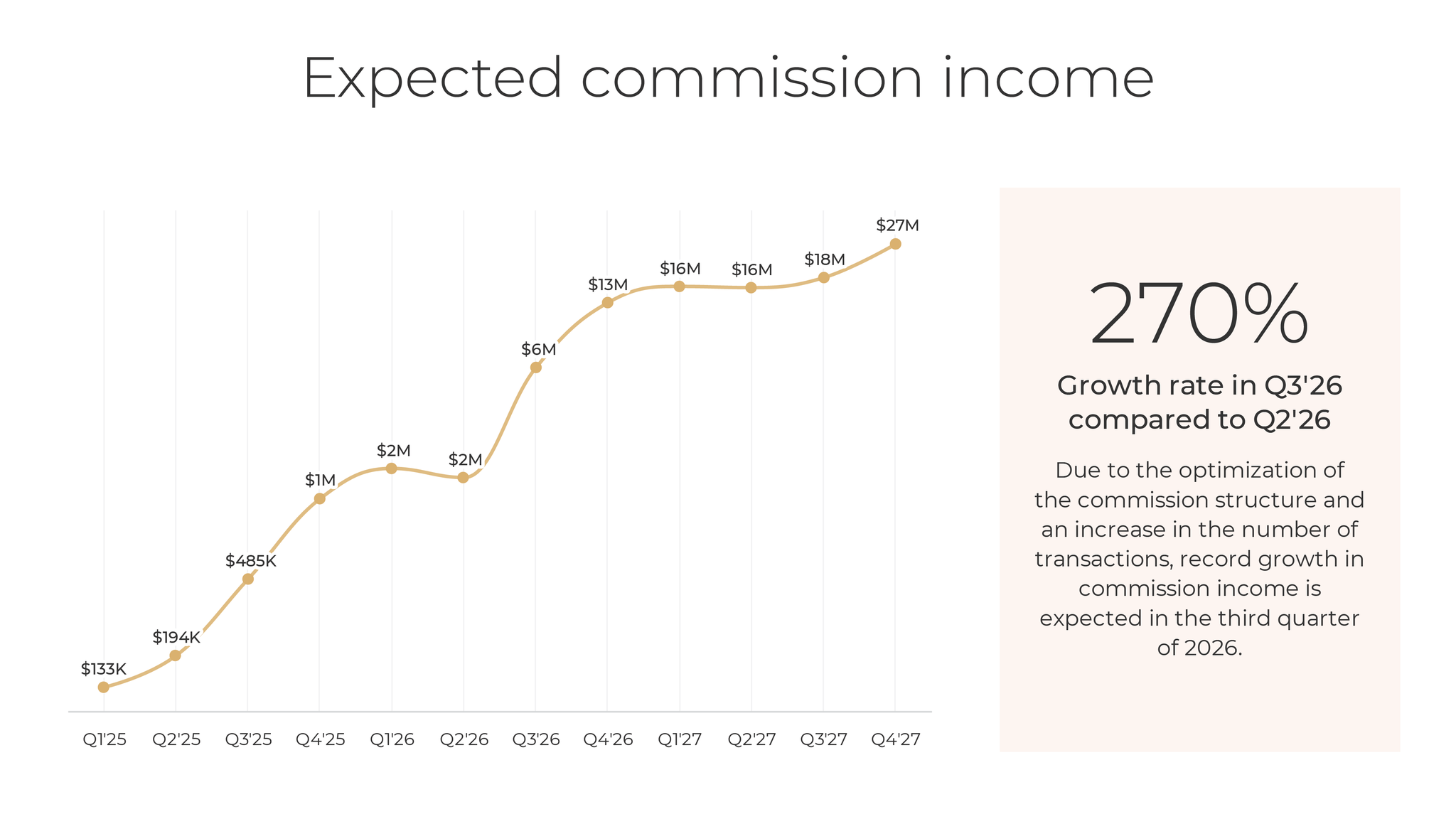
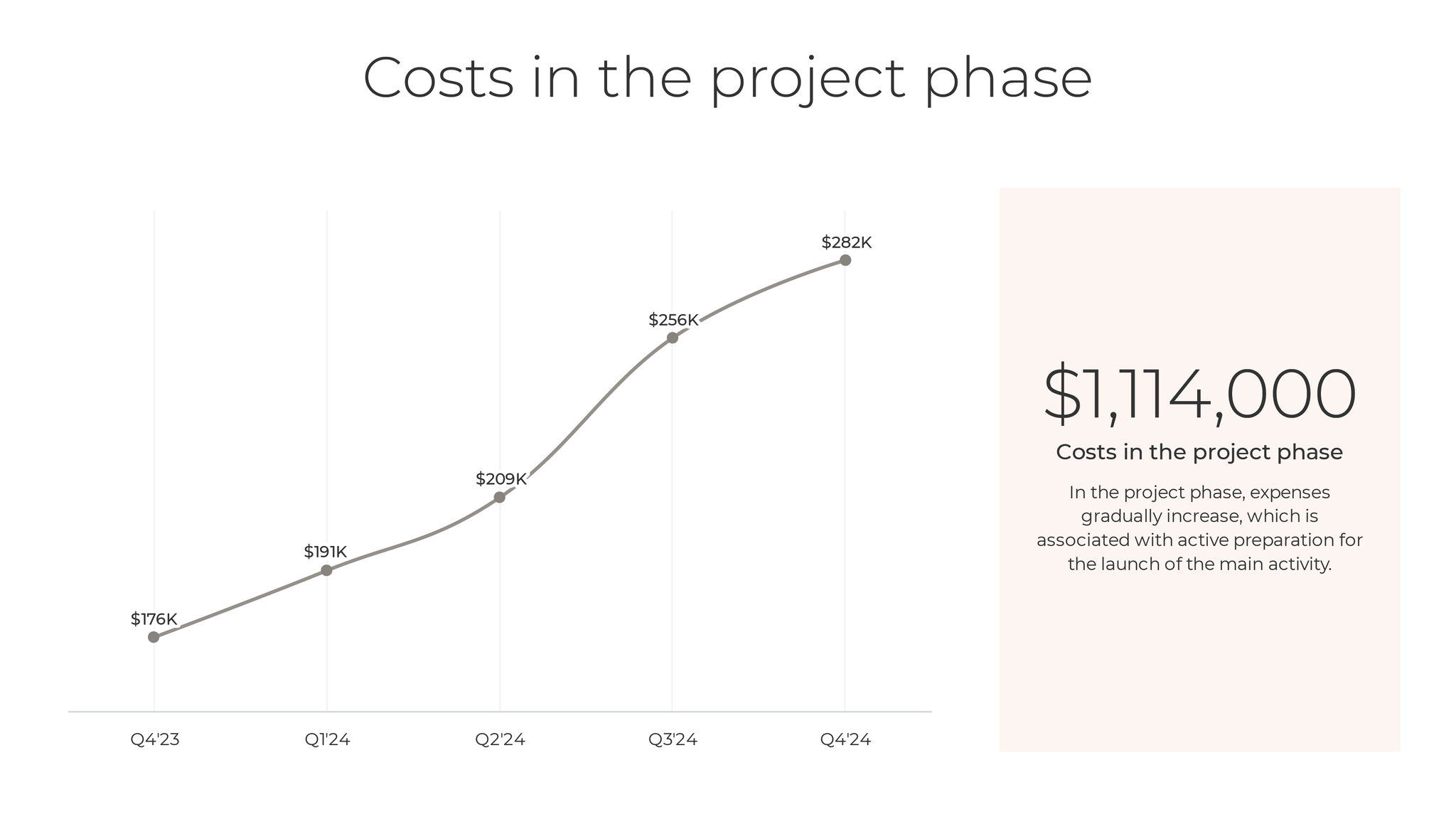
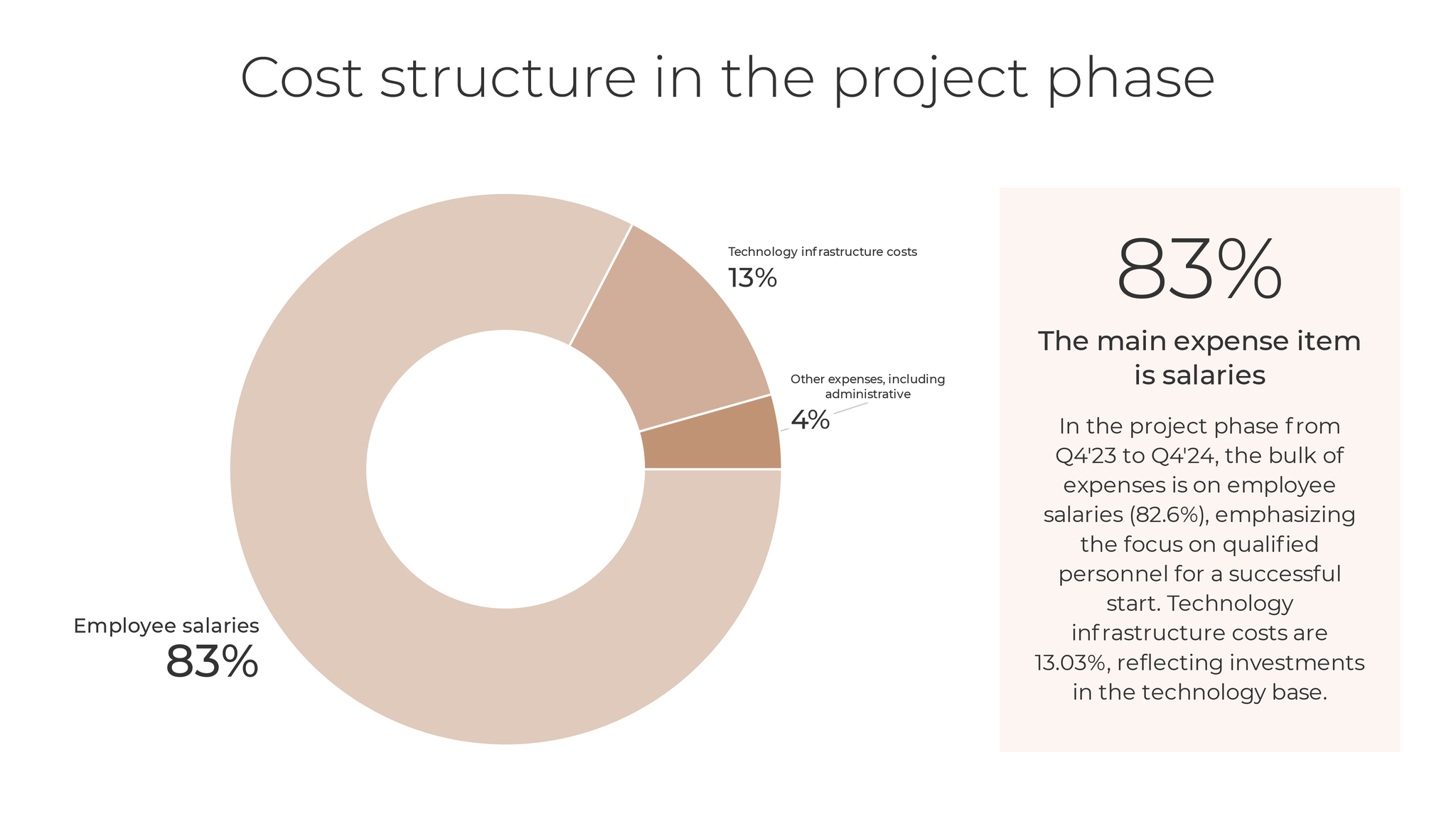
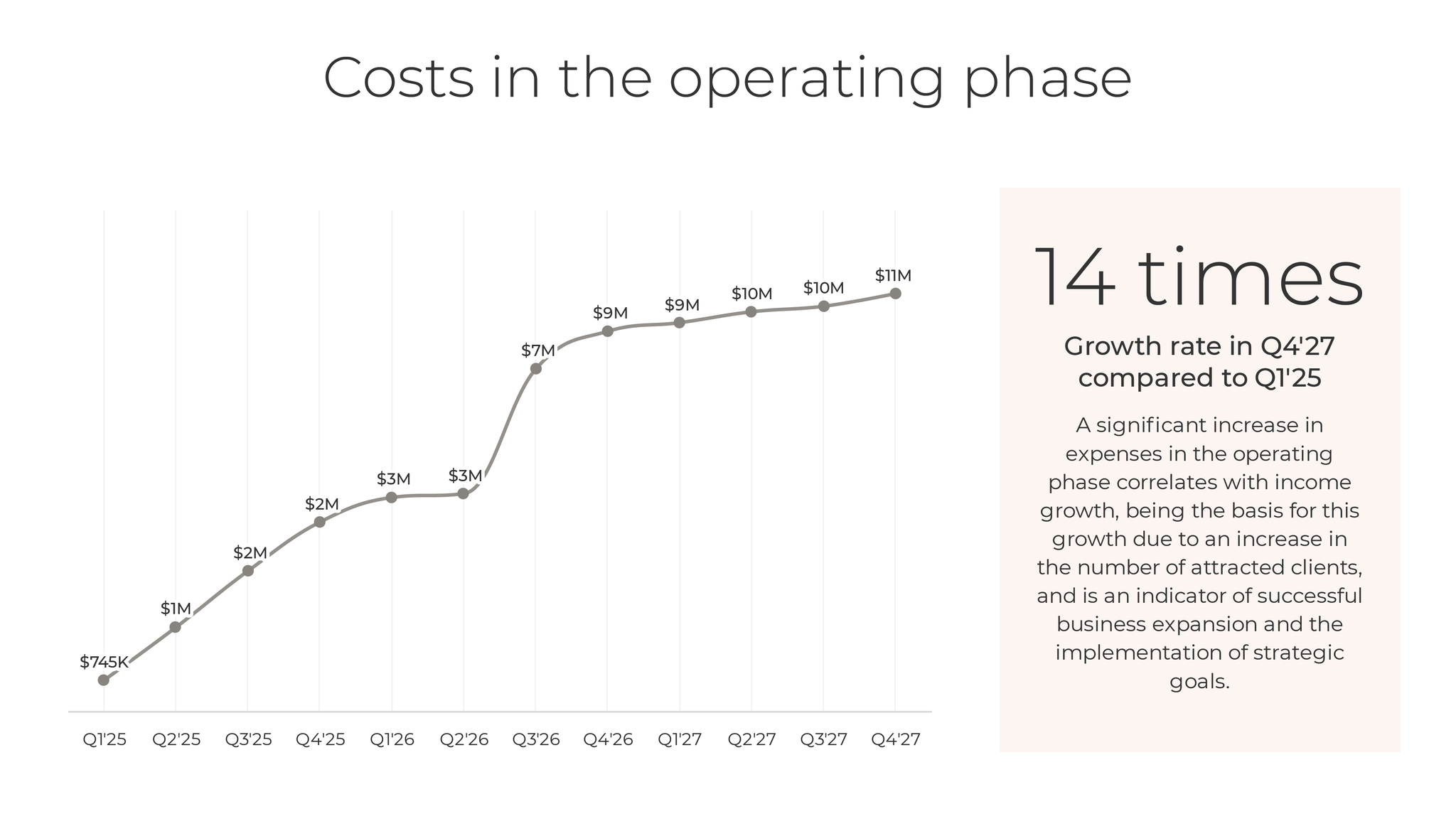
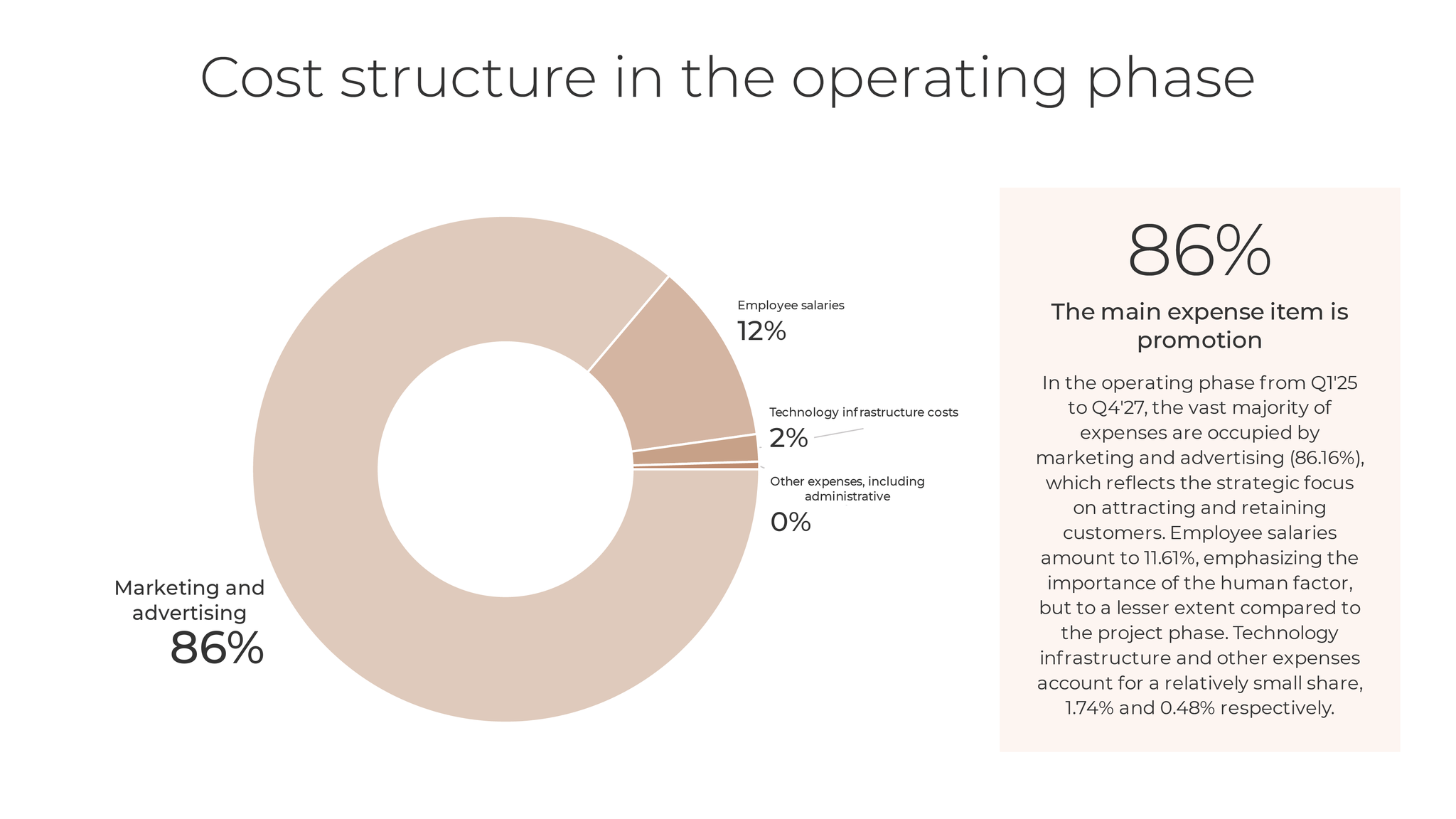
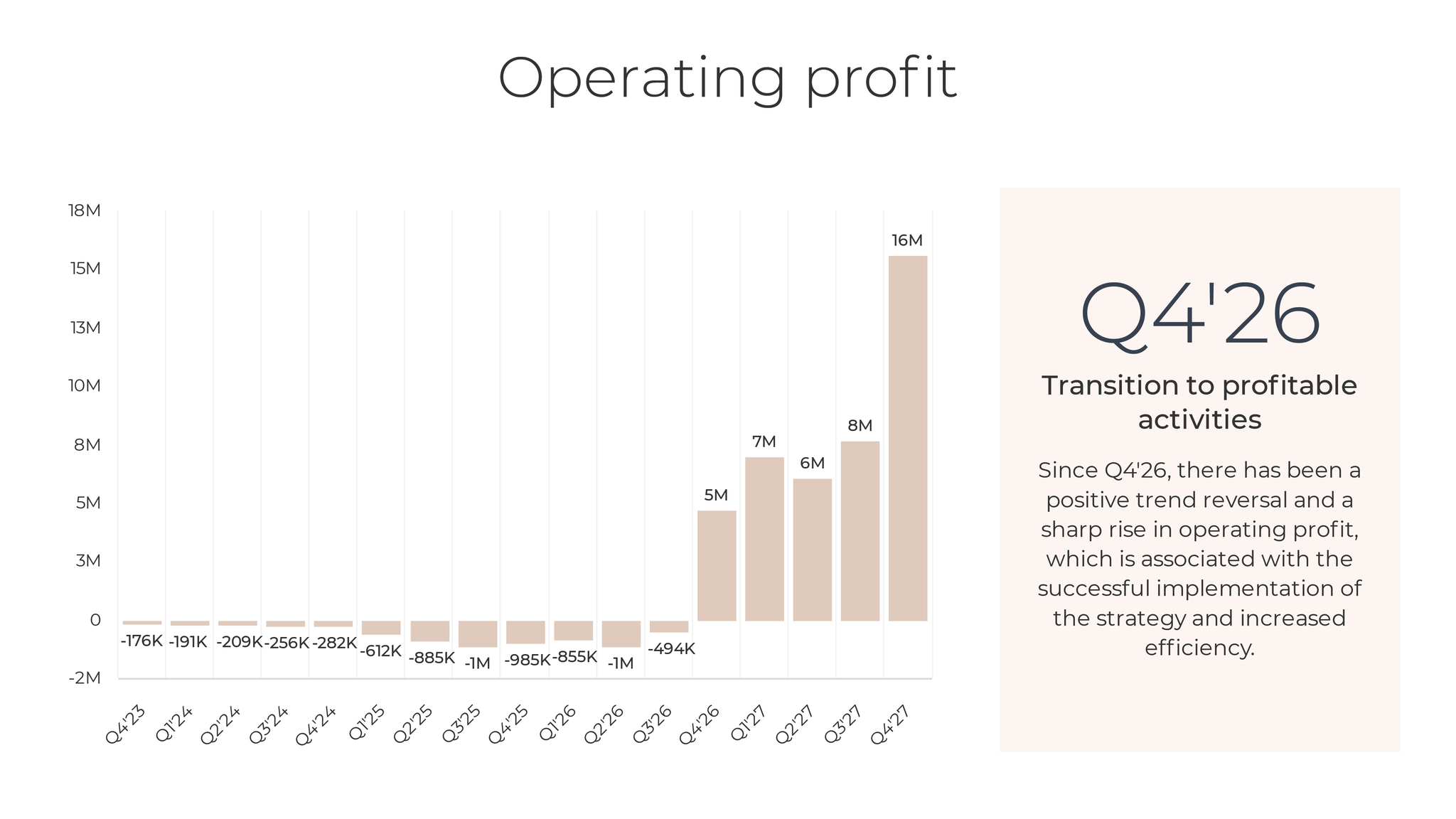
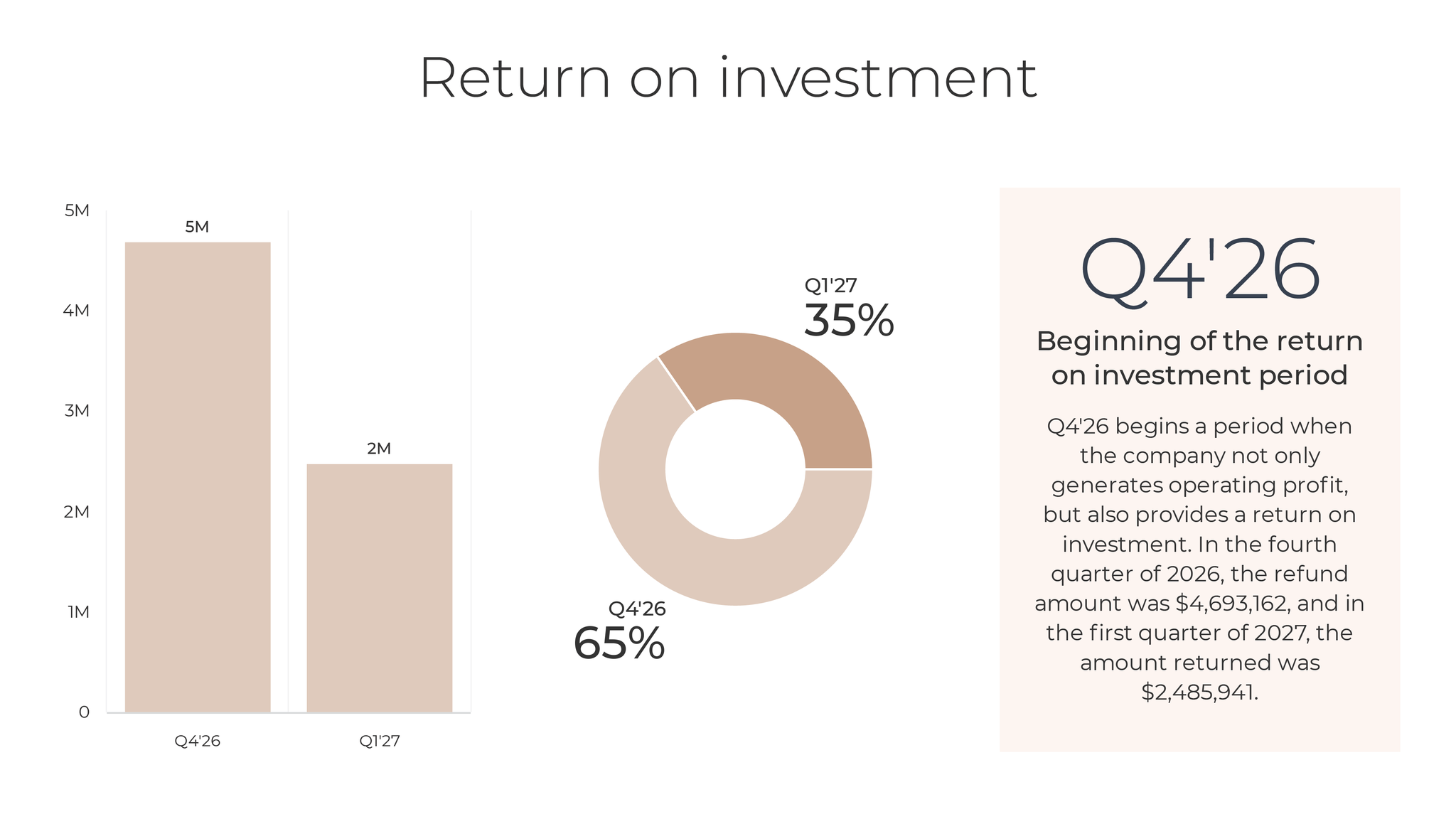
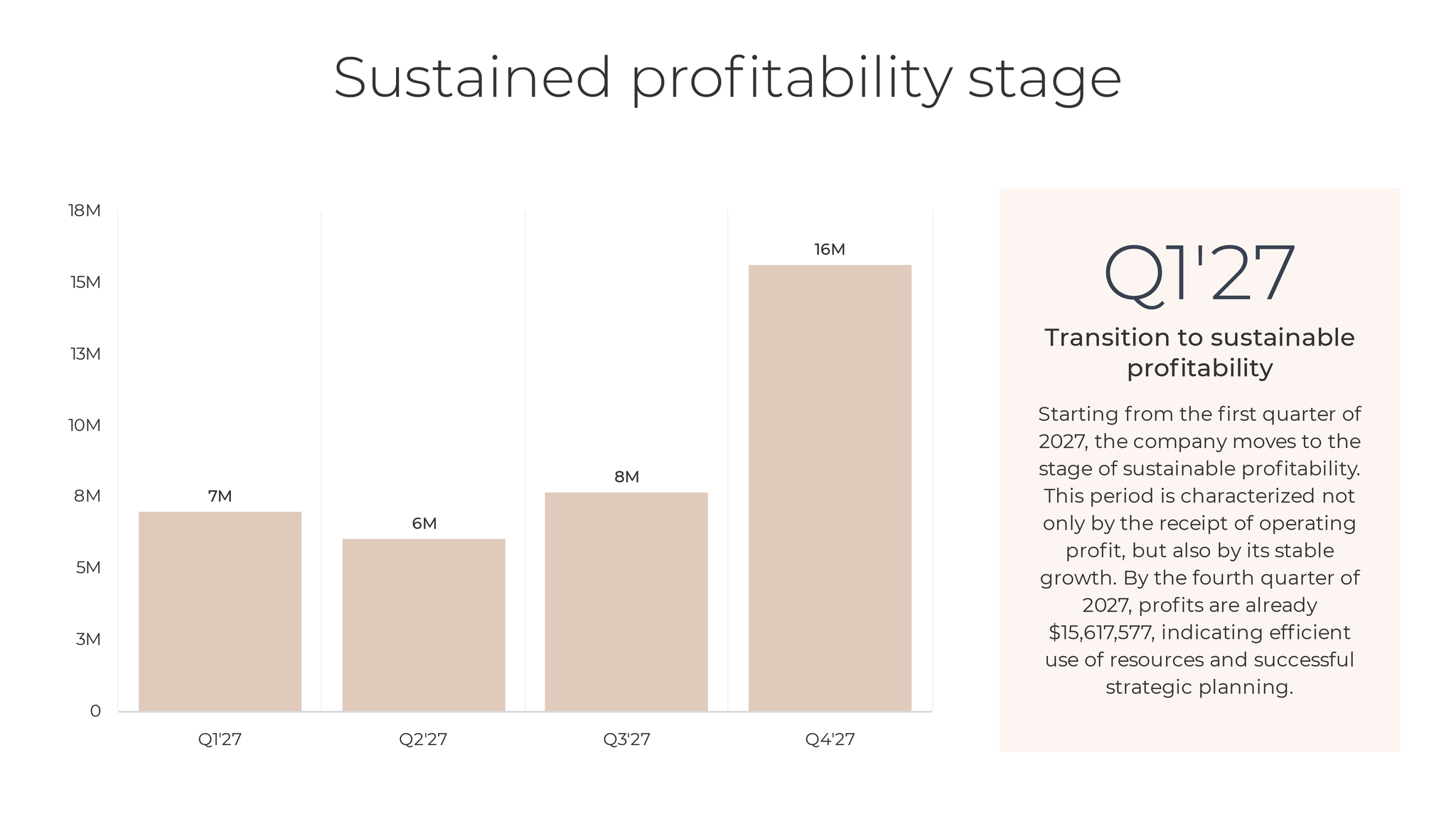
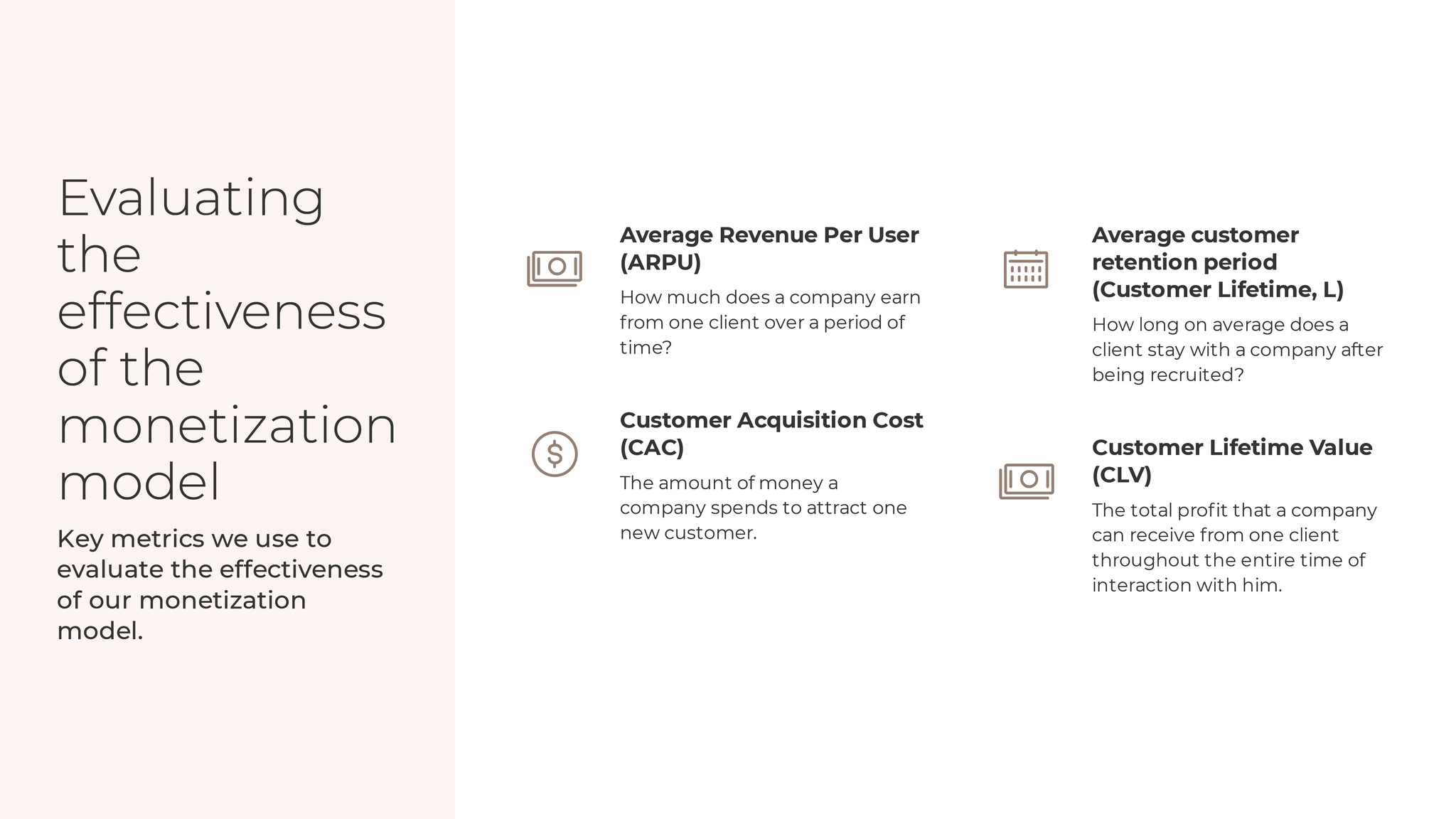
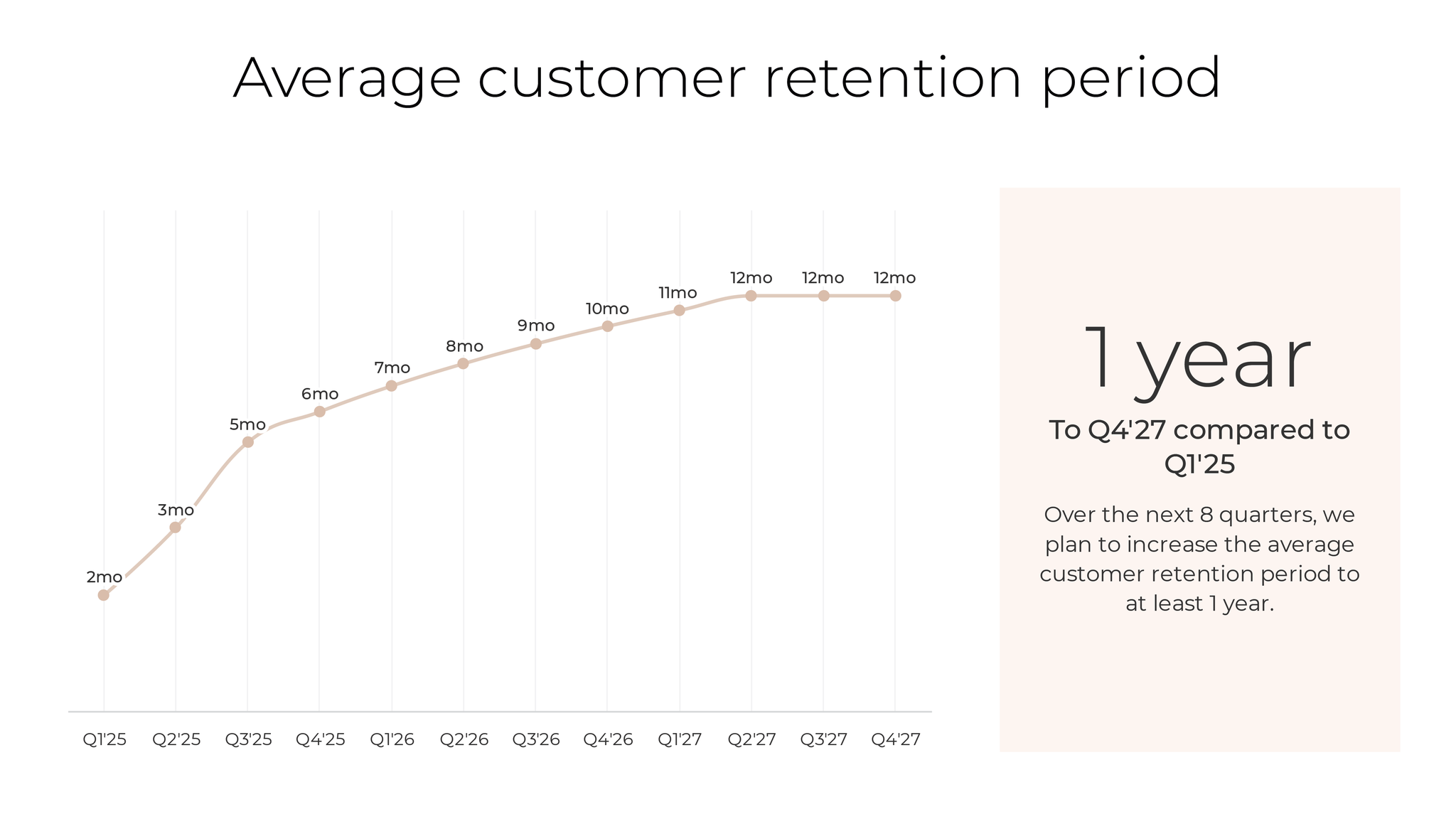
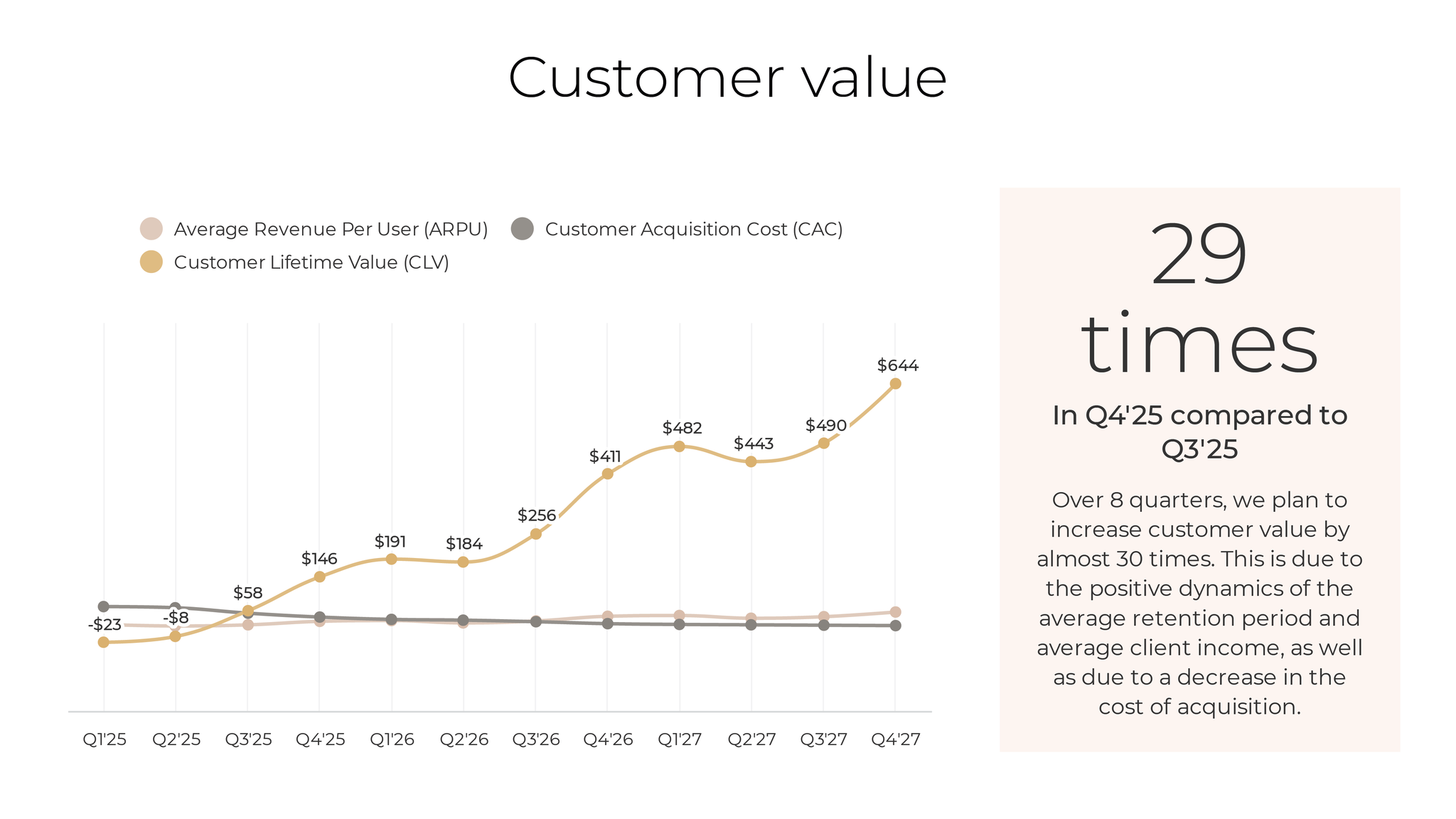
The model earned commission on sales, with expected revenue derived from Gross Merchandise Volume and a cost structure led by customer acquisition and retention rather than by technology. The projection ran to profitability inside the first few years, and the sensitivity that mattered was return rate: the whole case rested on fit matching moving it far enough to change the economics for retailers, not on the platform being pleasant to use.
The Market
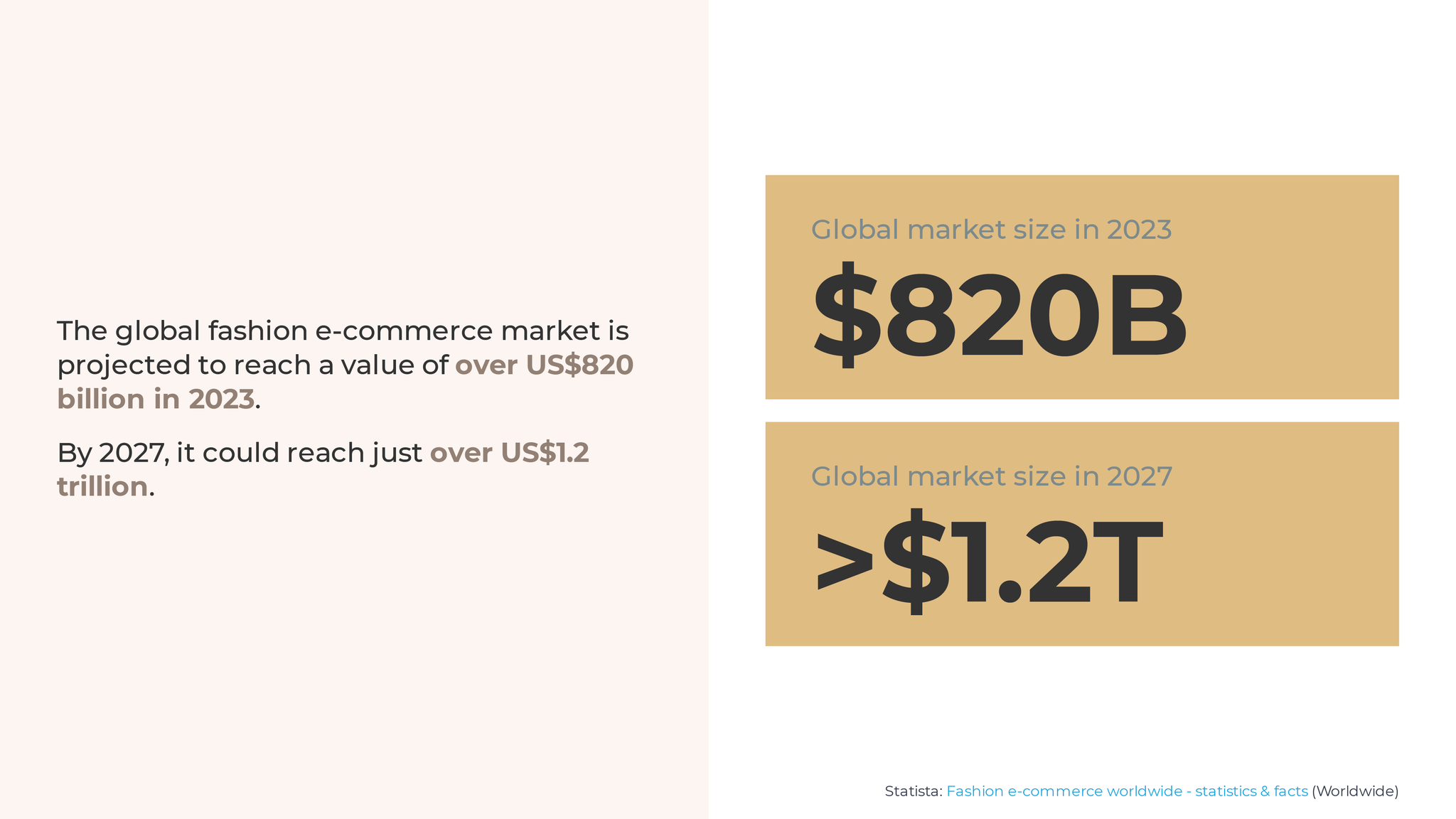
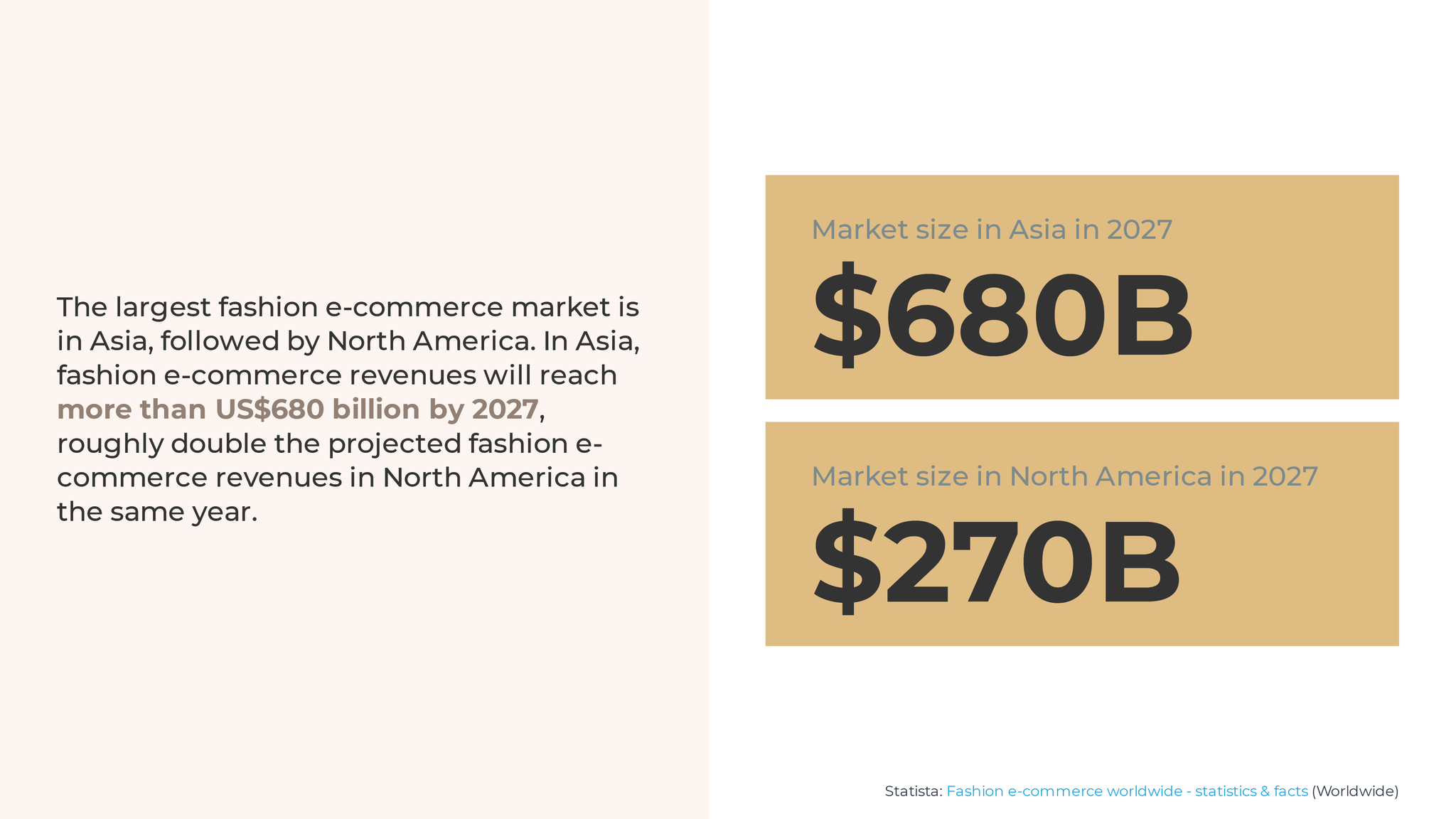
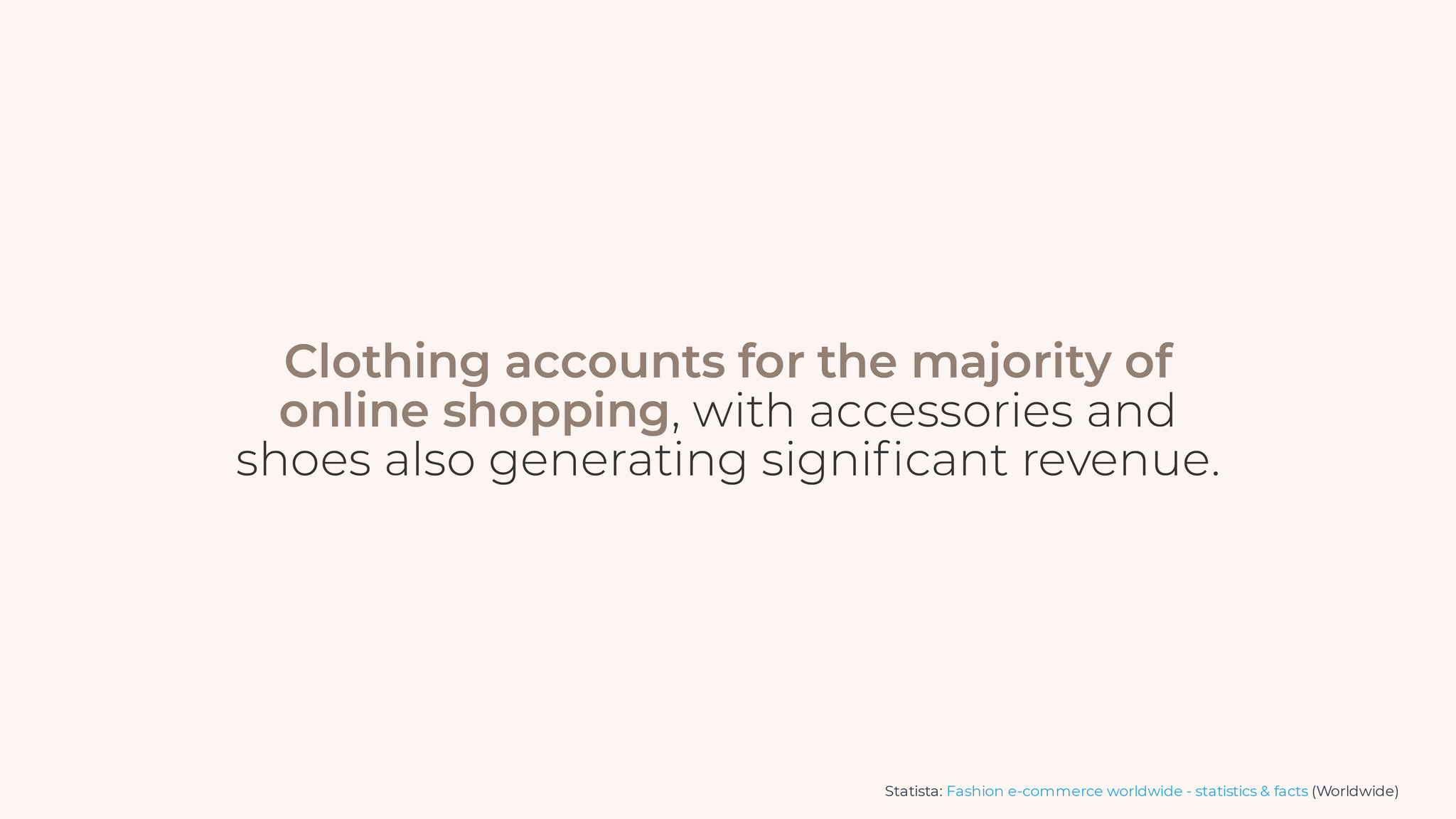
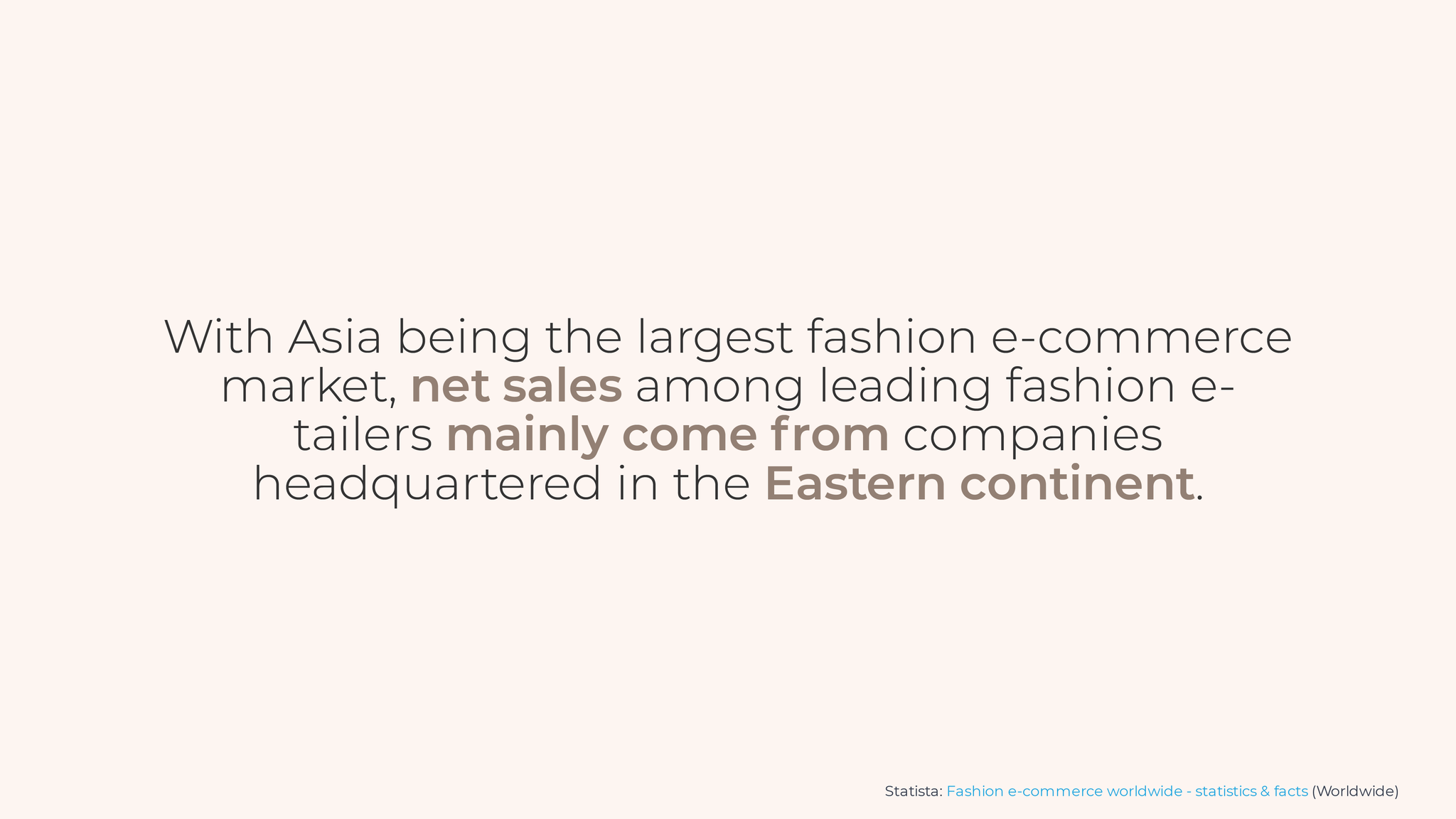
The global fashion e-commerce market was projected at over US$820 billion in 2023 and above US$1.2 trillion by 2027. Entry was planned through APAC, targeting China as the largest fashion e-commerce market in the world — the market where the return-rate problem is largest in absolute terms and where a marketplace model was already the default way people shop.
What It Was Worth
The concept never became a product, and that is the ordinary outcome for a first raise. What it did was force a full business through one head: the customer's problem, the technology that would answer it, the numbers that would have to hold, and the market where they would have to hold first. Everything in the deck below is that work — and the discipline of pushing an idea until it either stands up or visibly does not is the same one I bring to the products that do get built.
You can view the presentation in PDF format via the link, or use the carousel below (click a slide to enlarge it to full screen).